This guide covers paying down credit card balances to boost credit scores and lower high debt-to-income ratios to qualify for a mortgage and get approved for new credit. Debt-to-income ratios are among the most important factors a mortgage underwriter will consider when qualifying borrowers. Paying down credit card balances is the fastest and easiest way to boost credit scores, but it takes time. Most credit bureaus update in 30 days:
When you first apply for a mortgage application, your loan officer should carefully look at income, assets, liabilities, and proposed housing payments.
Loan officers should not just look at the PITI (principal, interest, taxes, and insurance) but also double-check to see if the proposed home purchase is in a flood zone. Lenders will also consider if there are homeowner association dues. If you are on edge and barely qualify for the necessary debt-to-income ratio requirement, a slight increase in your expenses or a decrease in income can potentially kill your chances for a mortgage loan approval.
Paying Down Credit Card Balances to Boost Credit Scores Before a Mortgage
Balancing credit cards can stymie your mortgage application, even if you pay on time. In particular, high credit card balances can lead to a high credit utilization score, a high monthly debt payment, and a mortgage amount you cannot afford.
Mortgage applications may benefit from lowered credit card balances. As a result, credit utilization may decrease, and debt-to-income ratio minimum calculations may yield lower balances.
There is, however, no promise of approval or a better interest rate. Every aspect of your financial situation is analyzed by lenders, including your credit history, income, assets, employment, property, loan type, loan program, down payment size, and current market conditions.
How Are Debt-to-Income Ratios Calculated

FHA, VA, USDA, conventional, and jumbo loans have different maximum debt-to-income requirements. Borrowers with tight debt-to-income ratios may be required to buy discount points to qualify for a lower mortgage rate. For borrowers with high debt-to-income ratios, it is highly recommended paying down credit card balances before applying for a mortgage loan, so the minimum credit card payments are not calculated in qualifying the debt-to-income ratios.
High debt-to-income ratios are a risk that will always arise throughout the mortgage application and approval process.
A slight increase in your debt-to-income ratio over the maximum debt-to-income ratio cap may disqualify you from being able to close on your home loan. This guide covers paying down credit card balances to boost credit scores and lower high debt-to-income ratios.
Why Do Mortgage Underwriters Require Paying Down Credit Card Balances
FHA and Fannie Mae require that all credit card account balances be paid off if you do not want the debt included in the debt-to-income ratio calculations to qualify for a mortgage. You cannot pay off the credit card balances to qualify for a mortgage during the mortgage process.
If you decide paying down credit card balances to lower your credit scores or lower debt-to-income ratios during the mortgage process, you may do so. You would need to close out your active credit cards.
If you plan on qualifying for a mortgage but intend to pay down credit card balances, ensure you do so before the mortgage loan application and approval process. If you intend on paying down credit card balances during the mortgage process, the credit card balances must be paid off and closed out. HUD and Fannie Mae do not want you just needed to pay down your credit card balances and then turn around and load up your credit cards again.
Importance of Credit Card Balances
Credit cards are a very different type of account from loans that are paid down to zero at the end of the term, such as auto loans. Because balances on credit cards change every month, depending on your usage and payments, the effect your credit card balances will have on your mortgage application will be different.
Balances on revolving credit accounts will be considered when determining your debt-to-income ratio when applying for a conventional loan.
Mortgage lenders will look beyond your credit score and into your credit report to see your current debts. This means that a high credit card balance will likely negatively impact your mortgage application in two ways. First, high credit utilization will lower your score. Second, your debt payment calculations will be higher.
Credit Utilization
Credit utilization is a measure of how much of your available credit you are currently using. If your credit limit is $10,000 and your credit card balances are $7,000, you are utilizing 70% of your available credit.
Credit utilization affects FICO scores as part of the “amounts owed” category, as a score considers how much of all revolving credit is used, along with how much is used by each account.
Credit experts suggest setting a 30% credit utilization benchmark. However, this is not a hard threshold in the mortgage approval process. Instead, the lower the utilization balance, the better, particularly with accounts that are close to being maxed out. The Consumer Financial Protection Bureau states that low credit utilization leads to higher credit scores, and consumers should not carry a credit card balance if they are trying to build credit.
Pay Down High-Utilization Cards First
When deciding which card to pay down, do not consider balances alone. Instead, consider each account’s utilization ratio and payment impact. For example, if one account has a $2,500 balance with a $3,000 credit limit, that card should be paid down first compared to a card with a $5,000 balance and a $25,000 limit. The first card has over 83% of the available credit used, and the second card is only 20% utilized.
Start By Examining Cards That:
- Exceed credit limits
- Have higher-than-normal minimum monthly payments.
- Show high card balances compared to credit limits.
- Have high interest rates, which impose a high cost of carrying a balance.
Always prioritize making timely payments on your cards. Not making a payment on one card while you are paying down another card can significantly hurt your credit profile, even if you have high balances on your other cards. Payment history is the most important factor in the most widely used credit score, the FICO Score.
Lowering Monthly Payment Debt Results in a Better DTI
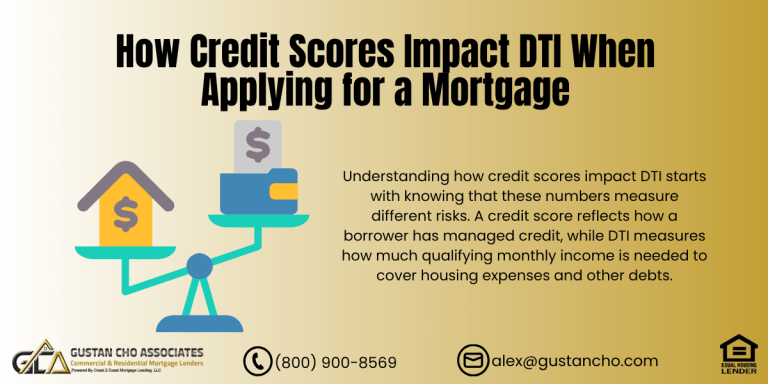
The debt-to-income (DTI) ratio is a metric that expresses the relationship between total monthly debt payments (including the new loan payment) and total gross monthly income. For example, a person with a gross monthly income of $6,000 and total monthly debt payments of $1,800 has a DTI ratio of 30%. If you pay a with credit card balance down, it may not result in a proportional decrease in the card’s minimum payment.
The minimum required payment may decrease if you pay the card balance in full. In that case, you are able to fulfill the payment obligation and may also be able to take on a new mortgage.
For certain Fannie Mae conventional loans, borrowers must meet specific requirements to exclude paid revolving debt from the debt-to-income ratio calculations if the debt was paid off prior to loan closing. The lender must evaluate the implications of the debt before the borrower acts and/or moves the money, assuming the debt will be excluded from the calculations.
Pay Down Credit Card Balances and Improve Your Mortgage Score
High card balances can lower your credit score and increase your mortgage rate. Get a clear paydown strategy based on your balances, limits, and homebuying timeline.Don’t Deplete Savings to Pay Off Credit Cards
Paying off credit cards may help your mortgage application, but don’t use all your savings to do it. You will likely still need savings to cover the down payment, the earnest money deposit, appraisal and inspection fees, closing costs, moving costs, and an emergency fund. Borrowers who pay off all revolving debt and have no remaining savings to pay closing costs will likely still be denied.
Contact Gustan Cho Associates Before Moving Significant Amounts of Money
We can complete a Mortgage Credit review that will highlight which debts you should pay to maximize your score, DTI, and Mortgage Approval. Consider your entire home-buying budget before making significant credit card payments. In other words, the best strategy for paying off credit cards is the one that improves credit utilization and lowers your monthly debt while still ensuring you have funds to cover closing costs.
Pay Down Credit Cards at the Right Time
Don’t wait until after the mortgage application has been submitted to start paying off credit cards. Credit reports do not instantly reflect updated credit card account balances. Creditors each have their own reporting schedules, and an updated balance may not be reflected for a significant period.
Checking the statements for your credit card accounts to see when your balance is reported and/or calling your credit card companies ahead of time is important.
That way, you can ensure that your balance is lower when the lender pulls your credit report for your mortgage application by paying off your credit cards early. Just because you made a payment to your credit card doesn’t mean your balance is up to date in the lender’s system. Your loan officer may look into other options if it would be beneficial to wait for a routine report from the credit card company and draft supplemental documents.
Don’t Accrue New Debt
Paying off your credit cards is counterproductive if you keep charging them to their limits. For that reason, avoid opening new credit cards, taking out personal loans, leasing (automobiles, furniture, etc.), and co-signing for someone else.
When you apply for a loan, a mortgage lender usually checks your credit. They may check your credit one more time before the loan closes. Changes in debt and credit can affect approval.
Avoid opening new credit cards, taking out personal loans, leasing (automobiles, furniture, etc.), and co-signing for someone else. These activities create additional credit inquiries, reduce the total available credit limit, and create new debt payments that invite further questions. Do not close credit cards as soon as you pay them off. You could close your credit accounts, and, as a result, your credit utilization ratio could increase. Before you close accounts, you need to carry a balance on another credit card.
Better Prices With Better Credit Scores
Higher credit scores can lead to better mortgage choices and better mortgage rates. Even so, better credit scores lead to better prices, but they don’t make or break mortgage rates.
Mortgage prices depend on the program, down payment, loan amount, borrower, property, borrower’s scores, and points. Daily interest rate changes affect the APR.
This is why it is important to look beyond credit. A great mortgage combines things like low-stress loans, consistent payments, and the right loan program.
Steps to Take Before You Get a Mortgage
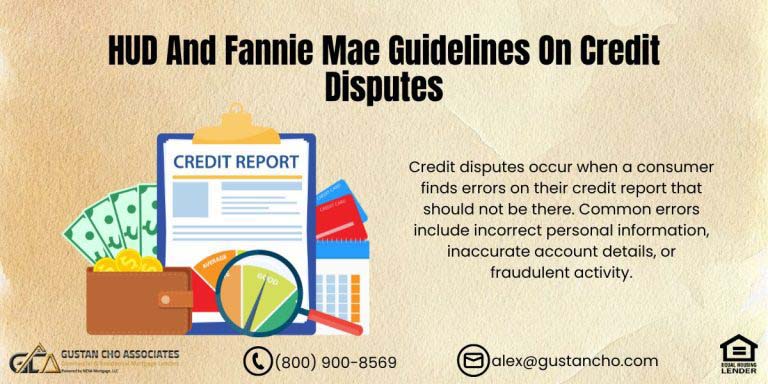
When the time comes to apply for a mortgage, the first step is to scrutinize your credit report. Start by checking for incorrect balances, late payments, duplicate accounts, or accounts that aren’t yours. It does not hurt your credit score to check your credit report.
Next is your plan to pay off debt. Until then, try to keep every account in good standing, avoid using up all the credit on your cards, and do not take on new debt.
In addition, it’s a good idea to save bank statements and payment receipts in case lenders ask for proof of where the money came from or to show that a balance was paid off. You may need a plan to pay certain specific balances. For instance, one borrower would benefit most from paying off the credit card that has reached its limit first. If a borrower has a lot of credit card debt, paying a card due that month may have a larger impact on the debt-to-income ratio.
Get a Mortgage Credit Strategy Before You Apply
Paying down credit card debt may make you a more attractive mortgage borrower, but the most effective strategy depends on each individual borrower. Therefore, the right approach should match your credit, DTI, and savings situation. Before you use savings to pay down your credit cards, call Gustan Cho Associates. Credit, monthly payments, disposable income, and prospective loans will be reviewed. With that information, we can give you a better idea of which balances to pay down first.
Sure, Here are the Key Points Based on Those Articles When It Comes to Credit Scores and Mortgage Loans:
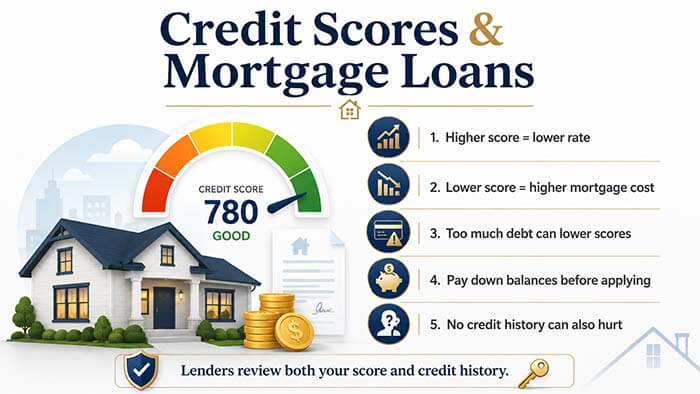
The Effect of the Credit Score on the Mortgage Rate:
- The better your credit, the lower the rate.
- The worse your credit, the higher the rate.
- The worse your credit, the more expensive the mortgage will be.
- The difference between better and worse credit will cause the biggest difference in mortgage expenses.
The Amount of Debt Will Affect the Credit Score.
- The credit score will improve if the debt decreases.
- If there is no debt, there is a positive credit score.
- However, an empty credit report is just as bad.
- All of the scores will be affected if there is too much debt, and the credit report will be worse because it is too empty.
- The balance for an empty credit report is not to keep all credit accounts empty.
What Happens When the Credit Score is Checked:
- The lender evaluates your credit history and credit score to understand how likely you are to repay the mortgage.
- This will determine not only if you will get the mortgage but also what the terms will be.
- Pay down all of your balances to get a good score.
- Carrying balances will hurt the score.
Reduced Credit Utilization
Paying down your credit card balance positively impacts your credit scores. Your credit utilization rate, or the ratio of your credit utilization ratio, is a significant factor in determining your credit score. In the following sections of this guide, we will show you how paying down credit card balances can boost your credit scores. When you pay down your credit card balances, you lower your credit utilization ratio. A lower credit utilization rate indicates that which is viewed positively by credit scoring models. A lower utilization rate typically leads to an increase in your credit scores.
Improved Payment History
Timely payments are crucial to your credit history. Paying down your credit card balances makes you more likely to make on-time payments, which can help maintain or improve your payment history. Consistent, on-time payments are among the most significant factors in determining credit scores.
Lowering Your Credit Card Debt
High credit card balances negatively impact your credit scores. Credit bureaus may view it as a sign of financial stress or a higher risk of default. By reducing your credit card debt, you demonstrate responsible financial behavior, which can positively affect your credit scores.
Credit Score Factors
Credit scoring models, like FICO and VantageScore, consider various factors when calculating your credit scores. While credit utilization is essential, it’s not the only factor. Other factors, such as payment history, types of credit accounts, and recent credit inquiries, also play a role in determining your scores. Reducing credit card balances can positively influence multiple aspects of your credit profile. In the following sections, we will cover some tips for effectively using this strategy to boost your credit scores:
Pay Down High-Interest Cards First
If you have multiple credit cards with high credit card balances, choose the ones with the highest rates to pay down your credit card balances. Paying down the highest debt and lowering your credit card debt faster
Don’t Close Old Credit Accounts
Closing old credit card accounts can shorten your credit history, which may negatively affect your credit scores. Instead, consider keeping these accounts open and using them responsibly to maintain a longer credit history.
Set Up Payment Reminders
Consider setting up payment reminders or automatic payments to ensure on-time payments. Late payments can significantly harm your credit score. Monitor your credit reports (Equifax, Experian, and TransUnion) to ensure accuracy. Dispute any errors you find to prevent them from negatively impacting your scores.
Remember that improving your credit scores can take time, and it’s essential to practice good financial habits consistently.
Paying down credit card balances is just one aspect of responsible credit management. Additionally, your credit scores may only improve over time. However, you can see positive changes with patience and continued responsible credit use.
Paying Down Credit Card Balances During the Mortgage Process
If you plan on applying for a mortgage loan very soon and have higher debt-to-income ratios, paying off your credit cards is recommended. Ensure the credit bureaus have zero balances reported on your credit report if you do not want to close out your credit cards. After you close your mortgage, there is no restriction on why you cannot open credit cards.
You can open up as many credit cards as you like. Reopen the credit card accounts that you have closed. If your loan originator takes your loan application to Freddie Mac,
Freddie Mac does not have this rule, and you can pay off your credit cards and not pay off the balance. Please consult with your mortgage loan originator or contact us at Gustan Cho Associates at gcho@gustancho.com. You can call us at 800-900-8569 or text us for a faster response. The team at Gustan Cho Associates is available seven days a week, evenings, weekends, and holidays.
FAQs About Paying Off Credit Cards Before Getting a Mortgage
How Much Should I Expect My Credit Score to Improve Once My Credit Cards are Paid Off?
Predicting an exact number of points is impossible. It is a function of your payment history, account age, available credit, your balances, other outstanding debts, and the scoring model. An individual with cards close to their credit limits will have a larger score variation than an individual with low credit utilization.
Will My Credit Score Drop if I Have No Balance on My Credit Cards?
No. You do not have to carry a balance on your credit cards to have good credit. You have to keep your accounts in good standing by paying your bills on time and keeping your credit utilization low.
Is it Smarter to Pay off One Card in Full or Pay Off Part of Each Card?
It depends on your credit limits and the minimum payments for each card. In some cases, paying off one card that is close to the credit limit will have a larger positive impact on your score than paying off several cards that are under the credit limit. A mortgage credit review may help you prioritize the order of card payments.
Can I Show the Credit Card Debt as Paid Using Gifted Funds Once I Obtain My Mortgage?
Possibly, but in order to document the gift in the loan file, the lender will need to determine that the funds are an approved source of funds for the loan. Before moving any large gifts, consult your loan officer for guidance.
Will Being an Authorized User on a Credit Card Affect My Ability to Get a Mortgage?
Authorized-user credit card accounts can positively or negatively impact a mortgage application. Items such as account payment history, credit card balances, credit limits, and the type of mortgage loan will be taken into account. Loan officers will review the account to determine if payment history should be factored into the mortgage qualification.
Will Transferring a Balance Impact My Mortgage Approval?
Clearing a credit card balance by transferring the balance can create a new card account, resulting in a credit inquiry or a new payment effect on your mortgage application. Transferring balances or opening a new credit account can be the lesser of two options. It can also increase the costs of getting a mortgage. It is best to assess all your options before taking on new credit.
Should Credit Card Balances be Paid Down Prior to, or After, Mortgage Preapproval?
In most situations, paying down balances should ideally occur before preapproval. The impact on preapproval will be immediate, whereas the mortgage credit analysis will identify, during preapproval, whether better terms are available with some balances paid.