Buying a condominium vs. a single-family home comes down to your budget, lifestyle, maintenance preferences, and financing options. A condo may offer a lower purchase price and fewer exterior maintenance responsibilities, but buyers must consider HOA dues, special assessments, community rules, and condominium project approval. A single-family home may provide more privacy and control over the property, although the owner is generally responsible for all maintenance and repairs. Mortgage approval can also differ. When financing a house, the lender primarily reviews the borrower and the property. With a condo, the lender may also evaluate the entire condominium project, including its insurance, financial condition, reserves, litigation, owner-occupancy levels, and property condition. Knowing these differences before you make an offer can help you select a property that matches your lifestyle and mortgage qualifications.
What You Own When Buying a Condo or House
When buying a condominium vs. a single-family home, the biggest ownership difference is what belongs exclusively to you and what is shared with other property owners.
With a condominium, you generally own the interior of your individual unit. The condominium association owns or manages the common elements, which may include the roof, exterior walls, hallways, elevators, landscaping, parking areas, recreational facilities, and other shared spaces.
Your ownership also includes an undivided interest in these common elements. The condominium declaration defines where your individual ownership begins and ends. Depending on the project, you may be responsible for windows, doors, plumbing fixtures, HVAC equipment, balconies, or other components connected to the unit. Buyers should review the declaration, bylaws, rules, budget, insurance documents, and maintenance responsibilities before making a final decision. With a single-family home, you typically own the house and the land beneath it. This usually gives you more control over repairs, improvements, landscaping, and property use. However, local zoning laws, deed restrictions, permit requirements, and HOA rules may still limit what you can change. Neither ownership type is automatically better. A condo may appeal to buyers who prefer shared maintenance and community amenities. At the same time, a house may be a better fit for those seeking more privacy, land, and control over the property.
Complete Monthly Cost of a Condo vs. a House
When buying a condominium vs. a single-family home, compare the total cost of ownership—not only the mortgage payment. A condo may have a lower purchase price, but HOA dues, insurance gaps, and special assessments can increase the amount you pay each month. A house may not have condo association fees, but the owner is generally responsible for exterior maintenance, major repairs, and landscaping.
HOA Dues and Special Assessments
Condo owners typically pay monthly HOA dues for shared expenses such as exterior maintenance, landscaping, common-area utilities, amenities, insurance, and reserve funding. The services included vary by community, so buyers should review the HOA budget before comparing costs. Regular HOA dues may not cover every major expense. If the association lacks sufficient reserves for roof replacement, structural repairs, insurance deductibles, or other large projects, unit owners may face a special assessment. Ask about pending assessments, recent fee increases, planned repairs, and the association’s reserve balance before making an offer. Some single-family homes also belong to an HOA. However, their dues may cover fewer services because homeowners remain responsible for maintaining their houses and lots.
Insurance
Condo owners typically need an HO-6 policy to cover personal property, interior improvements, liability, loss of use, and parts of the unit not covered by the association’s master policy. Don’t assume the master policy covers everything. Buyers should check coverage limits, deductibles, exclusions, and whether it offers bare-walls, single-entity, or all-in coverage, as a high master-policy deductible may require owners to pay for a portion of a loss. Single-family homeowners generally purchase an HO-3 policy, which covers the dwelling, other structures, personal belongings, and liability. Insurance costs vary based on location, home value, age, condition, coverage limits, and risks like flooding, hurricanes, wildfires, or earthquakes.
Property Taxes and Maintenance
Property taxes depend on local assessments and tax rates. A condo may have a lower tax bill than a nearby house if its assessed value is lower, but this isn’t guaranteed. Buyers should check the property’s tax history and whether a sale might trigger reassessment. Condo owners often have fewer exterior maintenance duties since the association typically manages the roof, siding, grounds, and common areas. However, owners are still responsible for what’s outlined in the condominium documents. House owners usually pay for landscaping, exterior repairs, HVAC service, plumbing, roofing, and maintenance directly. While these costs might not be monthly, it’s important to budget for them. When comparing properties, include the mortgage payment, taxes, insurance, HOA dues, possible assessments, utilities, and a realistic maintenance reserve.
How Condo Mortgage Approval Differs
When buying a condominium vs. a single-family home, mortgage approval may involve an additional layer of underwriting. A lender generally evaluates the borrower, the individual unit, and the financial and physical condition of the entire condominium project. A qualified borrower may still have difficulty closing if the unit or project does not meet the requirements of the selected loan program.
Borrower Approval
Borrower approval focuses on your ability to repay the mortgage. The lender typically reviews your:
- Credit history and credit scores
- Employment and qualifying income
- Debt-to-income ratio
- Down payment and available funds
- Assets and financial reserves
- Recent bankruptcies, foreclosures, or other major credit events
These requirements are similar when financing a condo or a single-family home. However, the required down payment, reserves, interest rate, or loan options may be affected if the condominium project presents additional risk or does not qualify for standard financing.
Unit Approval
The individual condominium unit must also meet the lender’s property requirements. A licensed appraiser generally evaluates the unit’s condition, market value, legal description, and comparable sales. The appraisal must support the purchase price and confirm that the property is suitable collateral for the mortgage. The lender may also examine whether the unit has unauthorized improvements, health or safety concerns, unusual ownership restrictions, or other conditions that could affect its value or marketability. Insurance coverage for the unit must work together with the condominium association’s master policy and satisfy the loan program’s requirements.
Project Approval
Project approval is what most clearly separates condo financing from financing a single-family home. Depending on the loan program and required review type, the lender may evaluate the entire condominium development, including:
- HOA finances, budget, and reserve funding
- Master insurance coverage and deductibles
- Pending or active litigation
- Special assessments
- Critical repairs and deferred maintenance
- Commercial or nonresidential space
- Short-term rental activity
- Owner-occupancy and investor concentration
- Delinquent HOA dues
- Ownership concentration by one person or company
The exact review depends on whether the mortgage is conventional, FHA, VA, or another loan type. Some projects may qualify for a limited review, while others require a full project review or approval through a government loan program. A mortgage preapproval confirms only that the borrower appears qualified based on the information reviewed. It does not guarantee that a particular condo will be approved. Before making a nonrefundable deposit or removing a financing contingency, buyers should ask their loan officer to identify potential project-level problems and begin the condominium review as early as possible.
Conventional, FHA, and VA Condo Financing
When buying a condominium vs. a single-family home, the loan program can affect the project-review process, required documents, down payment, mortgage insurance, and closing timeline. A borrower may qualify financially while the condominium remains ineligible for the chosen mortgage program.
Conventional Condo Loans
Conventional condo loans generally follow Fannie Mae or Freddie Mac project standards. Depending on the property, occupancy, loan-to-value ratio, and whether the development is new or established, the lender may conduct a full review, a limited or streamlined review, or use an available project review waiver or exemption. The lender may evaluate the HOA’s finances, reserve funding, master insurance, special assessments, litigation, critical repairs, commercial space, ownership concentration, and delinquent HOA dues. Certain detached condos and qualifying small projects may receive different review treatment, but they must still satisfy applicable property, title, insurance, and loan-level requirements. Conventional financing can offer competitive terms and low-down-payment options for qualified buyers. However, private mortgage insurance may be required when the down payment is less than 20%. Review requirements can also vary between Fannie Mae, Freddie Mac, individual lenders, and mortgage investors. See Fannie Mae’s current condominium project standards for additional information.
FHA Condo Loans
FHA financing can help eligible buyers purchase a condo with a relatively low down payment and more flexible credit guidelines. However, the condominium must meet HUD requirements. A unit may qualify if it is located in an FHA-approved condominium project. Buyers and real estate agents can check a project’s status through the HUD FHA condominium lookup tool. FHA may also permit Single-Unit Approval for an eligible unit in a condominium project that has not received full FHA approval. Single-Unit Approval is not automatic. The lender must verify that the unit and project satisfy HUD requirements, and additional restrictions may apply, including a lower maximum loan-to-value ratio than might be available in an FHA-approved project. FHA evaluates factors such as the project’s financial condition, insurance, ownership, legal status, physical condition, and marketability. FHA borrowers must pay for mortgage insurance, which consists of an upfront premium and an annual premium included in monthly payments.
VA Condo Loans
Eligible veterans, active-duty service members, and certain surviving spouses may use VA financing to purchase a condominium. VA loans can provide financing without a VA-required down payment and do not require monthly private mortgage insurance. A VA funding fee may apply unless the borrower qualifies for an exemption. The borrower must have sufficient VA entitlement, meet occupancy and underwriting requirements, and obtain an acceptable VA appraisal. The condominium project must also have the required VA approval. FHA approval or conventional warrantability does not automatically make a project eligible for VA financing. If the project is not already approved, the lender may be able to submit the condominium documents to VA for review. This process can require the declaration, bylaws, budget, insurance information, legal documents, and other association records. Approval may take additional time, so buyers should verify the project’s VA status before agreeing to a short closing deadline. VA provides condominium approval resources for lenders. No mortgage program automatically guarantees condo approval. Agency guidelines, lender overlays, property conditions, and project circumstances can affect eligibility. Buyers should have their loan officer review the condominium as early as possible—preferably before waiving the financing contingency or paying nonrefundable fees.
Warrantable vs. Non-Warrantable Condos
 When buying a condominium vs. a single-family home, buyers may encounter the terms “warrantable” and “non-warrantable.” These industry terms describe whether a condominium project meets the eligibility standards for conventional financing through Fannie Mae or Freddie Mac. They do not refer to a warranty on the property or guarantee that a condo is financially sound.
What Is a Warrantable Condo?
A warrantable condo is located in a project that meets the applicable Fannie Mae or Freddie Mac requirements for the specific loan and project-review type. The lender may examine the condominium association’s finances, insurance, ownership structure, physical condition, legal documents, and use of the property. A project may be considered eligible when it has acceptable:
- Master property and liability insurance
- HOA finances and reserve funding
- Special-assessment arrangements
- Structural condition and repair plans
- Commercial or nonresidential use
- Ownership and occupancy characteristics
- Litigation and legal compliance
- HOA delinquency levels
Warrantable status can make conventional financing more widely available. However, the borrower and individual unit must still meet all applicable underwriting and property requirements.
What Makes a Condo Non-Warrantable?
A non-warrantable condo is located in a project that does not meet one or more conventional project standards or cannot provide the documentation needed to establish eligibility. Common concerns may include:
- Critical repairs or substantial deferred maintenance
- Inadequate master insurance or excessive deductibles
- Insufficient HOA reserves or serious budget problems
- Significant pending litigation
- A large unresolved special assessment
- Excessive commercial space
- Hotel-like operations or extensive short-term rentals
- One person or company owning too many units
- High levels of delinquent HOA dues
- Restrictions that affect the unit’s ownership or marketability
- An incomplete project in which the developer retains substantial control
A project can also become temporarily ineligible while repairs, litigation, insurance problems, or missing documentation are being resolved. Therefore, a prior condo closing in the same development does not guarantee approval of a new loan.
Can You Finance a Non-Warrantable Condo?
Financing may still be available through a portfolio lender, credit union, community bank, or Non-QM mortgage program. These loans are not sold under standard Fannie Mae or Freddie Mac requirements, allowing the lender to apply its own project guidelines. Non-warrantable condo loans may require a larger down payment, stronger credit, additional reserves, or a higher interest rate. Available terms depend on the borrower, occupancy type, project issue, unit value, and lender. Some defects—especially serious structural, legal, or insurance problems—may make financing difficult even through an alternative program. Before making an offer, ask the lender to investigate the project and determine whether conventional, FHA, VA, portfolio, or Non-QM financing is realistic. Early review of the condo questionnaire, budget, reserve information, master insurance policy, meeting minutes, litigation disclosures, and special assessments can prevent unexpected delays or a mortgage denial.
Ready to Buy a Condo or Single-Family Home?
Complete a quick application or send your scenario. We’ll confirm your buying power, compare payment options, and guide you from pre-approval to closing.Documents to Review Before Buying a Condominium
When buying a condominium vs. a single-family home, you must review more than the purchase contract, appraisal, and inspection report. Condo buyers should also examine the association’s legal, financial, insurance, and maintenance records. These documents can reveal restrictions, upcoming expenses, property condition concerns, and issues that could affect mortgage approval.
Condominium Declaration, Bylaws, and Rules
The condominium declaration explains what you own individually and which areas are common elements. It may also identify responsibility for windows, doors, balconies, plumbing, HVAC systems, and other parts of the property. The bylaws and community rules explain how the association operates and what owners may or may not do. Review them for restrictions involving:
- Pets
- Parking
- Renovations
- Leasing and short-term rentals
- Business use
- Guests
- Age or occupancy requirements
- Use of balconies and common areas
Confirm that the rules fit your lifestyle before your review period or financing contingency expires.
HOA Budget and Financial Statements
The HOA budget shows how the association collects and spends money. Review current income, operating expenses, outstanding debts, reserve contributions, and delinquent HOA dues. Weak finances may lead to higher monthly dues, delayed maintenance, or special assessments. They can also create a problem during the lender’s condominium project review. When available, review recent financial statements, reserve studies, and independent audits in addition to the annual budget.
Reserve Study and Major Repair Plans
A reserve study estimates when major components—such as the roof, elevators, pavement, balconies, plumbing, or exterior walls—may need repair or replacement. It also estimates whether the association is saving enough money to pay for that work. A low reserve balance does not automatically make a project ineligible for financing. However, limited reserves combined with deferred maintenance or major upcoming repairs can increase the risk of assessments and create underwriting concerns.
Master Insurance Policy
Request the association’s current master insurance policy and coverage summary. The lender may need to confirm that the project has acceptable property, liability, and fidelity or crime coverage when required. Review:
- The type and amount of property coverage
- Master-policy deductibles
- Flood insurance, when applicable
- Coverage exclusions
- Ordinance or law coverage
- Whether the policy covers bare walls, original fixtures, or improvements
- The portions of the unit the owner must insure separately
The association’s master policy does not eliminate the need for an individual HO-6 condo insurance policy.
Special Assessments
Ask whether the association has approved, proposed, or recently completed any special assessments. Determine:
- The reason for the assessment
- The total amount
- Each unit owner’s responsibility
- Whether the seller has paid it
- The remaining payment schedule
- Whether the work has been completed
- Whether additional assessments are expected
The purchase contract should clearly state whether the buyer or seller will be responsible for unpaid amounts. The lender may also evaluate how the assessment affects the project and the borrower’s monthly obligations.
Board Meeting Minutes
Review recent HOA and board meeting minutes, preferably covering at least the period recommended by your attorney, lender, or real estate professional. Minutes may reveal matters that do not appear clearly in the budget, including:
- Water intrusion or structural concerns
- Insurance cancellations or premium increases
- Disputes with contractors
- Planned fee increases
- Owner complaints
- Code violations
- Delayed repairs
- Proposed special assessments
- Pending or threatened litigation
Repeated discussion of the same unresolved problem may deserve additional investigation.
Pending Litigation and Building Condition
Ask for written disclosure of pending lawsuits, structural inspections, municipal violations, evacuation orders, engineering reports, and required repairs. Litigation does not automatically disqualify a project, but the lender must evaluate its nature, financial exposure, insurance coverage, and potential effect on safety or marketability. For older or larger buildings, buyers may also want an attorney, inspector, or engineer to review available structural and repair records. A standard unit inspection may not fully evaluate the roof, foundation, exterior walls, elevators, or other common elements.
Condominium Questionnaire
The lender may request a completed condominium questionnaire from the HOA or property-management company. This document can provide information about owner occupancy, investor concentration, delinquent dues, insurance, litigation, commercial space, short-term rentals, project completion, and major repairs. Obtaining the questionnaire early can help identify a project-eligibility problem before the buyer spends money on an appraisal, inspection, or other nonrefundable costs.
Purchase Contract, Title Report, and Resale Certificate
The purchase contract should provide enough time to review the condominium documents and complete the lender’s project approval. Buyers should avoid removing the financing or document-review contingency until they understand the project’s condition and eligibility. Review the preliminary title report for liens, ownership restrictions, parking or storage rights, and other recorded matters. Depending on the state, buyers may also receive a resale certificate, estoppel letter, status certificate, or similar disclosure showing unpaid dues, violations, assessments, and the unit’s standing with the association. Condo documents can be lengthy, but they directly affect your ownership rights, monthly costs, and ability to obtain financing. Have your loan officer begin the project review early, and consult a qualified real estate attorney, insurance professional, inspector, or other specialist when a document raises legal, coverage, or property-condition concerns.
Documents to Review Before Buying a Condominium
When buying a condominium vs. a single-family home, you must review more than the purchase contract, appraisal, and inspection report. Condo buyers should also examine the association’s legal, financial, insurance, and maintenance records. These documents can reveal restrictions, upcoming expenses, property condition concerns, and issues that could affect mortgage approval.
Condominium Declaration, Bylaws, and Rules
The condominium declaration explains what you own individually and which areas are common elements. It may also identify responsibility for windows, doors, balconies, plumbing, HVAC systems, and other parts of the property. The bylaws and community rules explain how the association operates and what owners may or may not do. Review them for restrictions involving:
- Pets
- Parking
- Renovations
- Leasing and short-term rentals
- Business use
- Guests
- Age or occupancy requirements
- Use of balconies and common areas
Confirm that the rules fit your lifestyle before your review period or financing contingency expires.
HOA Budget and Financial Statements
The HOA budget shows how the association collects and spends money. Review current income, operating expenses, outstanding debts, reserve contributions, and delinquent HOA dues. Weak finances may lead to higher monthly dues, delayed maintenance, or special assessments. They can also create a problem during the lender’s condominium project review. When available, review recent financial statements, reserve studies, and independent audits in addition to the annual budget.
Reserve Study and Major Repair Plans
A reserve study estimates when major components—such as the roof, elevators, pavement, balconies, plumbing, or exterior walls—may need repair or replacement. It also estimates whether the association is saving enough money to pay for that work. A low reserve balance does not automatically make a project ineligible for financing. However, limited reserves combined with deferred maintenance or major upcoming repairs can increase the risk of assessments and create underwriting concerns.
Master Insurance Policy
Request the association’s current master insurance policy and coverage summary. The lender may need to confirm that the project has acceptable property, liability, and fidelity or crime coverage when required. Review:
- The type and amount of property coverage
- Master-policy deductibles
- Flood insurance, when applicable
- Coverage exclusions
- Ordinance or law coverage
- Whether the policy covers bare walls, original fixtures, or improvements
- The portions of the unit the owner must insure separately
The association’s master policy does not eliminate the need for an individual HO-6 condo insurance policy.
Special Assessments
Ask whether the association has approved, proposed, or recently completed any special assessments. Determine:
- The reason for the assessment
- The total amount
- Each unit owner’s responsibility
- Whether the seller has paid it
- The remaining payment schedule
- Whether the work has been completed
- Whether additional assessments are expected
The purchase contract should clearly state whether the buyer or seller will be responsible for unpaid amounts. The lender may also evaluate how the assessment affects the project and the borrower’s monthly obligations.
Board Meeting Minutes
Review recent HOA and board meeting minutes, preferably covering at least the period recommended by your attorney, lender, or real estate professional. Minutes may reveal matters that do not appear clearly in the budget, including:
- Water intrusion or structural concerns
- Insurance cancellations or premium increases
- Disputes with contractors
- Planned fee increases
- Owner complaints
- Code violations
- Delayed repairs
- Proposed special assessments
- Pending or threatened litigation
Repeated discussion of the same unresolved problem may deserve additional investigation.
Pending Litigation and Building Condition
Ask for written disclosure of pending lawsuits, structural inspections, municipal violations, evacuation orders, engineering reports, and required repairs. Litigation does not automatically disqualify a project, but the lender must evaluate the nature of the litigation, its financial exposure, insurance coverage, and its potential effect on safety or marketability. For older or larger buildings, buyers may also want an attorney, inspector, or engineer to review available structural and repair records. A standard unit inspection may not fully evaluate the roof, foundation, exterior walls, elevators, or other common elements.
Condominium Questionnaire
The lender may request a completed condominium questionnaire from the HOA or property-management company. This document can provide information about owner occupancy, investor concentration, delinquent dues, insurance, litigation, commercial space, short-term rentals, project completion, and major repairs. Obtaining the questionnaire early can help identify a project-eligibility problem before the buyer spends money on an appraisal, inspection, or other nonrefundable costs.
Purchase Contract, Title Report, and Resale Certificate
The purchase contract should provide enough time to review the condominium documents and complete the lender’s project approval. Buyers should avoid removing the financing or document-review contingency until they understand the project’s condition and eligibility. Review the preliminary title report for liens, ownership restrictions, parking or storage rights, and other recorded matters. Depending on the state, buyers may also receive a resale certificate, estoppel letter, status certificate, or similar disclosure showing unpaid dues, violations, assessments, and the unit’s standing with the association. Condo documents can be lengthy, but they directly affect your ownership rights, monthly costs, and ability to obtain financing. Have your loan officer begin the project review early, and consult a qualified real estate attorney, insurance professional, inspector, or other specialist when a document raises legal, coverage, or property-condition concerns.
Pros and Cons of Buying a Single-Family Home
When buying a condominium vs. a single-family home, a house may offer more privacy, space, and control. However, homeowners are generally responsible for the property’s maintenance, repairs, insurance, and landscaping. The right choice depends on your budget, lifestyle, and willingness to manage these responsibilities.
Advantages of Buying a Single-Family Home
Potential benefits include:
- More privacy: Detached houses usually do not share walls, hallways, elevators, or other interior spaces with neighboring properties.
- More indoor and outdoor space: Many houses provide additional bedrooms, storage, garages, yards, or room for a growing household.
- Greater control: Owners may have more freedom to renovate, landscape, add structures, or change the property, subject to zoning laws, building codes, deed restrictions, and HOA rules.
- No condominium project approval: The lender generally reviews the borrower and the individual property without evaluating the entire condominium association.
- Fewer shared financial risks: Your mortgage approval is not normally affected by another association’s inadequate reserves, delinquent dues, or master insurance problems.
- More rental flexibility: A single-family home may have fewer rental restrictions, although local laws, loan occupancy rules, deed restrictions, and HOA regulations can still apply.
- Potential for expansion: Depending on the lot and local rules, owners may be able to add living space, a garage, or other improvements.
Disadvantages of Buying a Single-Family Home
Possible drawbacks include:
- More maintenance: The owner is typically responsible for the roof, siding, foundation, landscaping, plumbing, electrical systems, HVAC equipment, and other repairs.
- Higher upfront cost: A house may cost more than a condo in the same market, although prices vary by location, size, condition, and amenities.
- Unpredictable repair expenses: A damaged roof, a failed heating system, a sewer problem, or a foundation repair can create a major unexpected cost.
- More time and physical work: Lawn care, snow removal, exterior cleaning, and routine upkeep may require additional time or paid services.
- Potentially higher utility costs: A larger detached home may cost more to heat, cool, and maintain than a smaller condo unit.
- Possible HOA obligations: Some single-family communities charge HOA dues and enforce rules covering property appearance, parking, rentals, pets, and renovations.
- Greater insurance responsibility: Homeowners typically need coverage for the entire dwelling, other structures, personal property, and liability. Separate flood, earthquake, windstorm, or other coverage may also be necessary.
A single-family home may be a good fit for buyers who want privacy, land, and more control over their property. Before choosing, compare the complete monthly payment and set aside money for maintenance and major repairs. A home inspection can identify visible concerns, but it cannot guarantee that costly problems will not develop after closing.
When a Condo May Be the Better Choice
When buying a condominium vs. a single-family home, a condo may be the better choice if you value convenience, shared amenities, and fewer exterior maintenance responsibilities. It may also provide a more affordable entry point into neighborhoods where detached homes cost significantly more. A condo may be a good fit if you:
- Prefer the HOA to handle landscaping, snow removal, exterior repairs, and common-area maintenance
- Want amenities such as a pool, fitness center, clubhouse, security system, or covered parking
- Travel frequently or want a property that may require less exterior upkeep while you are away
- Prefer living near employment centers, shopping, entertainment, or public transportation
- Do not need a large yard or extensive private outdoor space
- Are comfortable following HOA rules and sharing decisions about the building
- Can afford the mortgage payment, HOA dues, insurance, and potential special assessments
First-time buyers may consider a condo when it provides access to homeownership at a lower purchase price than nearby houses. However, the lower price does not always mean a lower total monthly cost. Buyers should include HOA dues, insurance, taxes, utilities, and anticipated assessments when comparing properties. Condos may also appeal to retirees, seasonal residents, busy professionals, and buyers who want amenities without having to maintain them individually. The association’s services can reduce an owner’s workload, but the exact maintenance responsibilities depend on the condominium declaration and bylaws. A condo is more likely to be a sound choice when the association has adequate insurance, responsible financial management, reasonable reserves, well-maintained common areas, and no major unresolved structural or legal problems. The rules should also support your plans for pets, parking, renovations, guests, or future leasing. Before deciding, have your lender review the condominium project as early as possible. A condo may fit your budget and lifestyle, but still create financing problems if the project does not meet conventional, FHA, VA, portfolio, or Non-QM requirements.
When a House May Be the Better Choice
When buying a condominium vs. a single-family home, a house may be the better choice if you value privacy, additional space, and greater control over the property. It may also suit buyers who are comfortable handling maintenance and want to avoid the financial and operational risks associated with a condominium association. A single-family home may be a good fit if you:
- Want a private yard, garage, basement, or additional storage
- Prefer not to share walls, hallways, elevators, or recreational areas
- Need more room for children, pets, guests, or a home office
- Want greater flexibility to renovate, landscape, or expand the property
- Prefer to make maintenance decisions without relying on an association
- Want to avoid condominium project approval during mortgage underwriting
- Are prepared to budget for repairs, landscaping, insurance, and long-term upkeep
- Plan to remain in the property as your space requirements change
A house may also provide more control over when and how repairs are completed. Condo owners share responsibility for common elements and may have limited influence over association budgets, contractors, insurance coverage, or special assessments. House owners generally make these decisions themselves, subject to local laws, permit requirements, deed restrictions, and any applicable HOA rules. Financing a single-family home may be less complicated because the lender normally evaluates the borrower and individual property without reviewing an entire condominium project. The loan is not typically affected by another association’s reserve shortages, master-insurance problems, delinquent dues, pending litigation, or deferred common-area maintenance. However, greater control comes with greater responsibility. House owners typically pay directly for roof replacement, HVAC repairs, plumbing, exterior maintenance, landscaping, and other property expenses. These costs may be unpredictable, so buyers should maintain an emergency fund and a realistic maintenance reserve. A single-family home may be the stronger choice when its purchase price, monthly payment, insurance, utilities, and anticipated maintenance costs comfortably fit your budget. Before deciding, compare the complete cost of both property types and consider how much privacy, space, flexibility, and maintenance responsibility you want.
When a House May Be the Better Choice
When buying a condominium vs. a single-family home, a house may be the better choice if you value privacy, additional space, and greater control over the property. It may also suit buyers who are comfortable handling maintenance and want to avoid the financial and operational risks associated with a condominium association. A single-family home may be a good fit if you:
- Want a private yard, garage, basement, or additional storage
- Prefer not to share walls, hallways, elevators, or recreational areas
- Need more room for children, pets, guests, or a home office
- Want greater flexibility to renovate, landscape, or expand the property
- Prefer to make maintenance decisions without relying on an association
- Want to avoid condominium project approval during mortgage underwriting
- Are prepared to budget for repairs, landscaping, insurance, and long-term upkeep
- Plan to remain in the property as your space requirements change
A house may also provide more control over when and how repairs are completed. Condo owners share responsibility for common elements and may have limited influence over association budgets, contractors, insurance coverage, or special assessments. House owners generally make these decisions themselves, subject to local laws, permit requirements, deed restrictions, and any applicable HOA rules. Financing a single-family home may be less complicated because the lender normally evaluates the borrower and individual property without reviewing an entire condominium project. The loan is not typically affected by another association’s reserve shortages, master-insurance problems, delinquent dues, pending litigation, or deferred common-area maintenance. However, greater control comes with greater responsibility. House owners typically pay directly for roof replacement, HVAC repairs, plumbing, exterior maintenance, landscaping, and other property expenses. These costs may be unpredictable, so buyers should maintain an emergency fund and a realistic maintenance reserve. A single-family home may be the stronger choice when its purchase price, monthly payment, insurance, utilities, and anticipated maintenance costs comfortably fit your budget. Before deciding, compare the complete cost of both property types and consider how much privacy, space, flexibility, and maintenance responsibility you want.
Frequently Asked Questions About Buying a Condominium vs. a Single-Family Home
Is a Townhouse the Same as a Condominium?
Not necessarily. “Townhouse” usually describes the home’s architectural style, while “condominium” describes its legal ownership structure. A townhouse may be legally classified as a condo, a single-family attached home, or part of a planned community. Review the property’s legal description, title report, association documents, and appraisal rather than relying only on its appearance or real estate listing.
Do Condo HOA Fees Count Toward Your Debt-to-Income Ratio?
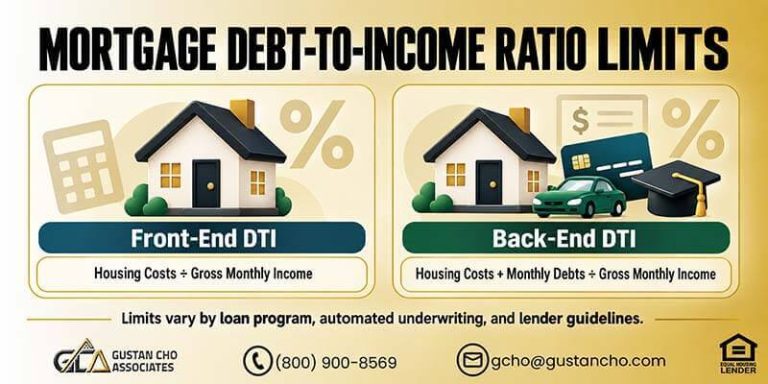
Yes. Lenders generally include recurring condominium association dues in the total monthly housing expense when calculating the borrower’s debt-to-income ratio. An ongoing special assessment may also need to be included. HOA dues are usually paid separately from the mortgage, but they can still reduce the loan amount for which a buyer qualifies. The Consumer Financial Protection Bureau recommends including HOA fees when calculating the complete monthly housing payment.
Are Condo HOA Fees Tax-Deductible?
Condo association dues generally are not deductible when the unit is used exclusively as a personal residence. The IRS treats them as a private homeowner expense. If the condo is rented or used for qualifying business purposes, some association expenses may be deductible, subject to applicable tax rules. Special assessments also require individual review because their tax treatment may depend on their purpose. Consult a qualified tax professional and review the current IRS guidance for homeowners.
Can You Use Gift Funds or Down Payment Assistance to Buy a Condo?
Eligible buyers may be able to use documented gift funds, grants, forgivable loans, or other down payment assistance when purchasing a condominium. The permitted source and required borrower contribution depend on the mortgage program, occupancy type, and assistance provider. The condominium project must still qualify for the selected mortgage. Approval for down payment assistance does not override conventional, FHA, VA, lender, or investor project requirements. Buyers should confirm that both the assistance program and condominium are eligible before signing a purchase contract.
Can the Seller Pay Closing Costs on a Condo Purchase?
A seller may be permitted to pay some of the buyer’s eligible closing costs through a negotiated seller concession. The maximum contribution and permitted expenses depend on the mortgage program, down payment, occupancy type, and loan-to-value ratio. The contribution generally cannot exceed the buyer’s actual allowable closing costs. It also cannot be used to artificially increase the property’s appraised value or to provide prohibited cash back to the borrower. Ask the lender to review the proposed concession before finalizing the contract.
Can You Rent Out a Condo After Buying It?
You may be able to rent out a condo, but you must follow the association’s leasing restrictions, local laws, and your mortgage’s occupancy requirements. Some associations limit the number of rentals, require minimum lease terms, maintain waiting lists, or prohibit short-term rentals. If the mortgage was approved for a primary residence, the borrower must genuinely intend to occupy the condo as certified at closing. Purchasing it as an owner-occupied home while secretly planning to rent it immediately could constitute occupancy fraud. Discuss future rental plans with the lender before closing.
Can You Refinance a Condominium?
Yes, a condominium can generally be refinanced when the borrower, unit, and project meet the new loan program’s requirements. The lender may conduct another project review even if the condominium was approved when the property was originally purchased. Changes involving insurance, litigation, structural repairs, association finances, special assessments, or project eligibility can affect refinancing. A condo that previously qualified for conventional financing may not automatically qualify again, although portfolio or Non-QM alternatives could be available.
What Happens if You Stop Paying Condo Association Fees?
The association may charge late fees, interest, collection costs, and attorney fees. Depending on state law and the condominium documents, it may also record a lien against the unit and potentially pursue foreclosure. Unpaid dues can make selling or refinancing the condo more difficult because the balance may need to be resolved before closing. The association’s collection problems may also affect the entire project if too many owners become delinquent. The Consumer Financial Protection Bureau warns that unpaid HOA or condo fees can result in collection activity and possible foreclosure.
This article about “Buying a Condominium vs. a Single-Family Home in 2026” was updated on August 10th, 2026.