
Moving is expensive—but most people overpay for the same 3 reasons: they move too much stuff, they book on peak days, and they don’t lock down fees in writing. This guide gives you the fastest ways on how to save money moving without it turning into a disaster.
Inside you’ll get:
- A 25-item checklist you can use today
- A week-by-week timeline that prevents rush costs
- A hidden-fees list movers commonly add
- A simple script to get a binding or not-to-exceed quote
If you want to know how to save money moving, start here—and use the checklist first.
Quick Checklist: 25 Ways to Save Money Moving (Start Here)
[embedy]https://www.youtube.com/watch?v=uN_bt7aOSoE[/embedyt]
- Declutter 25–40% before you request quotes.
- Sell heavy, cheap-to-replace items (particleboard furniture, old bookcases).
- Donate items that won’t resell well (get a receipt if it applies to your taxes).
- Get 3–5 written estimates and ask for binding or not-to-exceed pricing.
- Move mid-week + mid-month when demand is lower.
- Ask about discounts (military, student, senior, first responder, AAA).
- Pack non-breakables yourself; hire pros only for fragile/specialty items.
- Get free boxes from grocery/liquor/book stores; use suitcases and totes.
- Use towels/blankets as padding (save on bubble wrap).
- Measure furniture + doorways to avoid long-carry or hoist surprises.
- Reserve elevator times and parking to prevent “waiting time” charges.
- Photograph your inventory (faster claims + fewer disputes).
- Ship books/media separately when it’s cheaper than truck space (only for eligible items like books, CDs, DVDs—check USPS rules; it’s not for everything in a box).
- Consider portable containers for long-distance moves (often less than full-service).
- Don’t overbuy insurance—choose the right coverage for your valuables.
- Disassemble beds/tables in advance to cut labor hours.
- Label boxes by room + “Open First” to speed unloading.
- Use a hybrid move: self-move boxes, hire pros for furniture only.
- Avoid peak dates (weekends, summer, and the start and end of the month).
- Confirm fuel fees up front (flat fee, percentage, or mileage).
- Bundle pickup + storage only if it’s a one-trip deal and priced clearly.
- Return unused supplies the day after move-in.
- Track deposits so you don’t double-pay utilities/landlords.
- Update addresses early to avoid paid mail issues and missed bills(mail forwarding is optional and can cost extra depending on what you choose; filing a standard change-of-address is usually free).
- Pay with a rewards card for points/cash back (if fees don’t increase).
Best first move: Declutter before quotes. Less weight + less time = lower price.
Lock In Lower Rates With Off-Peak Scheduling
If your dates are flexible, this is one of the easiest ways to cut costs. Most movers raise prices during high-demand windows—especially weekends, summer months, and the last few days of the month.
Cheapest Times to Move (usually):
- Tuesday–Thursday
- Mid-month (not the 1st or 30th/31st)
- Fall/winter (outside peak summer)
Pro tip: Ask about a flex window discount. If you can accept a broader pickup/delivery window, some companies offer lower pricing.
The 2-Minute Quote Rule (Do This Before You Book)
Before you choose any mover, get pricing in writing—then make sure the quote includes the fees that quietly inflate bills.
Ask for:
- Binding or not-to-exceed pricing
- Fuel policy (flat fee vs % vs mileage)
- Stair/elevator/long-carry charges
- Shuttle truck fee (if parking access is tight)
- Assembly/disassembly rules
- Storage-in-transit rates (if applicable)
If it’s not in writing, assume it’s not included.
Lock in off-peak pricing
Move mid-week/mid-month to snag lower rates and better crew availability
Plan & Budget: A Timeline That Actually Saves You Money
A clear timeline stops “rush fees” and bad last-minute choices. If your goal is how to save money moving, a calendar is your best friend.
6–8 Weeks Out
- Purge aggressively. Target the heavy items: old sofas, inexpensive dressers, dated gym equipment.
- Measure everything. Note pieces that might require disassembly or stair carries.
- Research movers & methods. Get 3–5 quotes across categories: full-service, labor-only + rental truck, containers, or LTL freight.
- Ask for binding or not-to-exceed quotes. That’s a cornerstone of how to save money moving—price certainty.
- Book off-peak dates. Tuesday–Thursday, mid-month, not summer.
2–4 Weeks Out
- Gather free boxes & packing supplies. Visit local shops and post in neighborhood groups.
- Pack non-essentials first. Seasonal clothes, books, and décor. Heaviest items in the smallest boxes.
- Label with a color system. Room color + contents + “Open First” on top.
- Reserve elevator & parking permits. Avoid wait-time and long-carry fees.
- Confirm fees in writing. Fuel surcharges, stair fees, shuttle truck fees, bulky item fees, and appliance handling.
Moving Week
- Disassemble beds & tables. Bag and tape hardware to the piece.
- Wrap drawers with stretch film (leave lightweight clothes inside).
- Photograph electronics setup for quick reassembly (saves installer costs).
- Stage boxes by the door in tight rows; fastest load = fewer labor hours.
- Walking tour with the crew chief. Point out fragile items and pre-noted dings to protect your claim.
This timeline keeps you ahead of surprises, which is central to how to save money moving without sacrificing quality.
Declutter to Cut Weight and Volume (Your Biggest Price Lever)
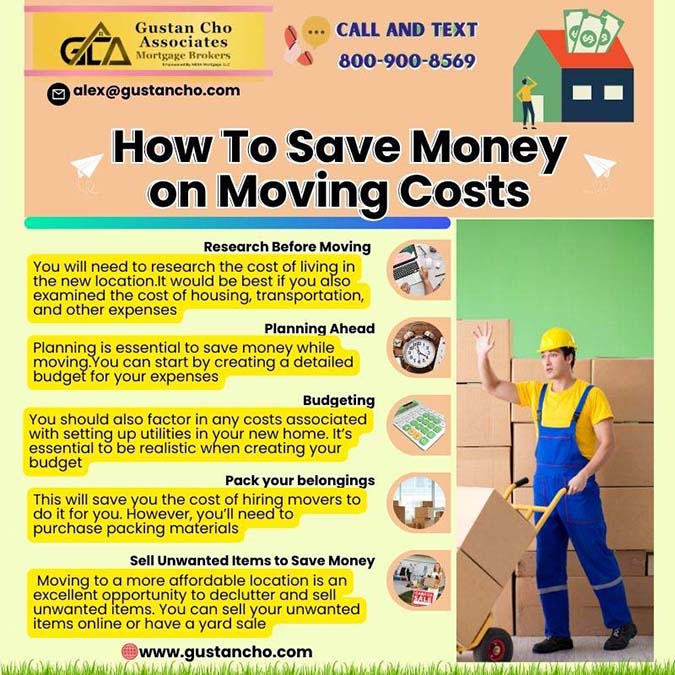
The #1 tactic in how to save money moving is reducing what you move. Movers price by time (local), weight/distance (long-distance), or volume. Cutting 25–40% can slash hundreds—even thousands—off your bill.
What sells quickly: small furniture, bikes, gaming consoles, high-quality kitchenware, unopened small appliances, and tools.
What to donate: bulky, worn-out sofas, old mattresses (check rules), particleboard bookcases, and mismatched chairs.
Pro tip: Sell early. Last-minute fire sales fetch low prices and force you to pay to move things you intended to ditch.
Pricing Types: Choose the Right Quote Style (So You Don’t Overpay)
Most moving estimates fall into one of three pricing styles. The key is matching the quote type to your move—then making sure the details are written down.
✅ Choose Hourly Pricing if…
Best for local moves (usually under ~50 miles).
Pick hourly when:
- You’re moving nearby, and the mover charges for labor time
- You can stage boxes and furniture near the door
- Parking is easy, and you don’t expect long carries or lots of stairs
How to Save Moving with Hourly:
Time is money. Pre-pack, label clearly, stack boxes in one area, and reserve parking/elevator access so the crew isn’t waiting.
✅ Choose Flat-Rate (Binding) or Not-to-Exceed if…
Best for long-distance moves or any move where you want cost certainty.
Pick flat-rate/binding or not-to-exceed when:
- You’re moving across the state or out of state
- You want one predictable number that doesn’t balloon later
- Your inventory list is accurate, and you can describe access issues clearly
What to Confirm in Writing:
Fuel policy, stairs/long-carry, shuttle truck (if needed), bulky items, assembly/disassembly, and any storage-in-transit charges.
✅ Choose Weight-Based Pricing if…
Most common for interstate long-distance moves with traditional van lines.
Pick weight-based when:
- The mover prices by weight + distance
- You’re shipping a larger household and want a “per pound” structure
- You’re confident your inventory won’t change much
How to Avoid Overpaying:
Ask how weight is verified (weigh tickets), how inventory changes affect price, and what happens if items are added/removed after the estimate.
Quick Rule of Thumb
- Local move: Hourly → cut time with staging + easy access
- Long-distance: Binding / Not-to-exceed → safest for budgeting
- Weight-based: Great for true interstate → verify weigh tickets + keep inventory accurate
Get boxes and supplies for free
Source sturdy boxes from stores, friends, and community groups
Save on Packing Materials Without Sacrificing Protection
Paying retail for boxes and bubble wrap adds up. More innovative sourcing is a core part of how to save money moving.
- Free boxes: Liquor stores (sturdy), grocery/warehouse clubs (produce bins with lids), bookstores (small, perfect for heavy items).
- Use what you own: Suitcases, duffels, laundry baskets, storage totes.
- Soft goods as padding: Towels, linens, sweaters.
- Minimal bubble wrap: Use only for fragile, high-value items.
- Right-size boxes: Heavy = small boxes; light = large boxes. Prevent crushed bottoms and injuries.
Get Cheaper Transport: Off-Peak, Flex Windows, and Smart Shipping
Transport choices have massive cost swings. If your focus is on how to save money moving, pull these levers:
- Avoid peak demand: Summer, weekends, and the end/beginning of the month inflate prices.
- Ask for a “flex window” discount: If you can accept pickup/delivery flexibility, you may be eligible for a lower rate.
- Ship heavy, dense items separately:
- Books/media: USPS Media Mail can beat truck space costs.
- Weights/tools: Consider local sales and repurchase, or ground shipping with flat-rate boxes.
Containers vs full-service: Containers can be cheaper if you can load efficiently within the included labor windows.
Avoid Surprise Fees (and Negotiate Them Down)
Junk fees can wreck a reasonable quote. A big part of how to save money moving is knowing where fees hide—then addressing them up front.
Standard extras to confirm in writing:
- Fuel surcharge (flat or %?)
- Long-carry (distance from truck to door)
- Stairs/elevator and “shuttle truck” access
- Bulky or specialty items (pianos, safes, treadmills)
- Assembly/disassembly time
- Parking/ticket fees
- Storage-in-transit daily rates
- Insurance/valuation (fundamental vs complete, deductible options)
Negotiation script:
“We’re choosing based on total cost and predictability. Can you provide a binding or not-to-exceed quote that includes fuel, long-carry up to 150 feet, two flights of stairs, and standard disassembly/reassembly? If access requires a shuttle, what’s the flat fee? Also, do you offer mid-week or flex-window discounts?”
Use this word-for-word; it’s built for how to save money moving with fewer gotchas.
Hidden Moving Fees Checklist (Copy/Paste Before You Book)
Most “cheap” estimates get expensive because the quote didn’t include access details, specialty handling, or timing rules. Use this checklist to force a true apples-to-apples comparison—and to get extras priced in writing before move day.
1) Access & Property Fees (the most common surprise charges)
- Long-carry fee: How far is “included” distance from truck to door (e.g., 50–150 feet)? What’s the rate after that?
- Stairs fee: Per flight or per step? Is it charged both at pickup and delivery?
- Elevator fee/elevator reservation: Is waiting time billed if the elevator isn’t available?
- Shuttle truck fee: Required if the big truck can’t park close (tight streets, apartments, HOA rules). Is it flat-rate or hourly?
- Parking/ticket/toll fees: Who pays if the truck gets ticketed or must use a paid loading zone?
- Walkway/terrain issues: Gravel, steep driveways, narrow hallways—do these trigger extra labor charges?
2) Time & Minimums (where “hourly” moves balloon)
- Travel time: Are you charged from the moment the crew leaves the warehouse, or only on-site?
- Minimum hours: What’s the minimum bill (2–4 hours is common)? Does it include truck time?
- Waiting time: What counts as “billable waiting”—keys not ready, elevator delay, paperwork delay?
- Peak-day premiums: Weekend/end-of-month/summer surcharges—are they baked into the rate?
3) Packing & Materials (small items that add up fast)
- Packing service fees: Per box or per hour? What’s included (paper, tape, boxes)?
- Special packing: TV boxes, wardrobe boxes, mirror/painting crates—price each item.
- Stretch wrap/pads: Are moving blankets included? Is shrink wrap charged per roll?
- Mattress bag/sofa wrap: Included or extra?
4) Bulky / Specialty Items
- Appliances: Disconnect/reconnect fees for washer/dryer, fridge, gas lines (often requires a licensed tech).
- Pianos/safes/treadmills: Flat fee or hourly? Any stair restrictions?
- Large, fragile items: Glass tops, marble, antiques—do they require custom crating?
5) Disassembly & Reassembly
- Beds & furniture breakdown: Included or billed separately?
- TV mounting/wall fixtures: Usually not included—confirm what they will/won’t do.
- IKEA/complex items: Some movers charge extra due to time/fragility.
6) Long-Distance & Storage-in-Transit
- Delivery window: What’s the guaranteed range (days/weeks)? Any fees for a narrow window?
- Storage-in-transit (SIT): Daily/weekly rate + warehouse handling fees in and out.
- Re-delivery fees: If you miss delivery, is there a fee to reschedule?
7) Fuel, Mileage, and “Administrative” Add-Ons
- Fuel surcharge: flat fee vs. percentage vs. per-mile.
- Mileage/drive time: Included radius for local moves; how extra miles are billed.
- Paperwork/admin fees: “Bill of lading,” “processing,” “dispatch,” or “credit card” fee.
8) Insurance / Valuation (make sure you understand what you’re buying)
- Basic valuation: What’s the default coverage (per pound), and what does it not cover?
- Full-value protection: Cost, deductible, and claim rules.
- High-value inventory: Jewelry, art, collectibles—must be declared in advance?
- Claims timeline: How long do you have to report damage and submit documentation.
One Sentence to Put Movers on Notice (paste into email/text)
“Please confirm in writing whether the quote includes fuel, long-carry up to ___ feet, ___ flights of stairs, elevator/wait time policy, any shuttle-truck requirement, disassembly/reassembly, and any bulky-item fees—plus whether the pricing is binding or not-to-exceed.”
Sample Moving Budget You Can Copy
A written budget prevents overspending and helps compare quotes. For how to save money moving, track these line items:
- Truck/Container/Full-Service: $____
- Labor-only loaders/unloaders (if any): $____
- Fuel surcharge/mileage: $____
- Packing materials (after returns): $____
- Permits (parking/elevator): $____
- Tips (voluntary): $____
- Storage-in-transit (if needed): $____
- Insurance/valuation coverage: $____
- Shipping (books/tools via mail): $____
- Utility deposits & activation: $____
- Cleaning/handyman in either home: $____
- Contingency (8–12%): $____
Pro tip: Keep receipts for deposits and return any unused supplies the day after move-in. That’s practical, how to save money moving, you’ll feel it immediately.
What to Ask Movers (So You Don’t Overpay)
Use these questions to compare quotes, a key tactic in how to save money moving:
- Is the quote binding or not-to-exceed?
- What fees are excluded from this number?
- What’s the fuel policy—flat fee or percentage?
- How do you charge for stairs, elevators, and long carries?
- Do you guarantee crew size and arrival window?
- What’s included for assembly/disassembly?
- How do you handle claims, and what’s the average resolution time?
Are there any discounts available for mid-week, mid-month, or for those who are flexible?
Red Flags When Comparing Movers to Avoid Scams + Surprise Bills
Most moving “horror stories” start the same way: a too-good-to-be-true quote, vague paperwork, and a deposit you can’t get back. Use these red flags to screen movers fast—before you sign anything.
1) The Quote is Unusually Low (and they won’t explain why)
If one estimate is dramatically cheaper than the rest, it’s often a lowball designed to win the job—then fees appear on moving day.
Do this: Ask what’s excluded (fuel, stairs, long-carry, shuttle, bulky items, packing materials) and get the answer in writing.
2) They Refuse a Written Estimate or an Inventory Review
A legitimate mover can give a written quote based on a walkthrough (virtual or in-person) and an itemized inventory. “We’ll figure it out later” usually means “we’ll charge more later.”
Do this: Require a written estimate with access details and the pricing type (hourly vs. binding/not-to-exceed vs. weight-based).
3) They Push a Big Cash Deposit (or cash-only payment)
Deposits aren’t always wrong, but large cash-only deposits are a common scam pattern. It reduces your ability to dispute charges.
Do this: Use a credit card when possible and keep all receipts. Be cautious if they demand cash or wire transfers.
4) No Physical Address or Professional Footprint
If a company has no real address, no branded trucks, no consistent business name, or their website and paperwork don’t match, that’s a serious warning sign.
Do this: Confirm the business name is consistent across quote, invoice, and communications.
5) Vague “Vinding” Language (or they misuse the term)
Some movers say “binding” but still leave room to add charges later because access fees and special handling were never defined.
Do this: Make sure “binding/not-to-exceed” includes your real conditions: stairs, elevator, long-carry distance, parking limits, bulky items, and fuel.
6) They Won’t Clearly Explain Extra Fees
If they can’t tell you exactly how they charge for:
- stairs/elevator
- long-carry
- shuttle truck
- packing supplies
- waiting time
- …expect those charges to show up later.
Do this: Ask for a fee sheet or have them confirm fees in writing in the quote email.
7) No Clear Claims/Damage Process
Accidents happen. The red flag is when they dodge questions about claims, coverage, or time limits—or they refuse to document pre-existing damage.
Do this: Take photos before loading, note pre-existing damage, and ask how claims are filed and by when.
8) They Show Up with a Different Company Name
If the truck and crew arrive under a different name than the one you booked, you may be dealing with a broker switch or subcontracting you didn’t agree to.
Do this: Confirm in advance who is doing the move—the company you hired or a subcontractor—and get it in writing.
9) High-Pressure Tactics (“sign now” / “price doubles tomorrow”)
High-pressure sales usually signal a company that expects disputes later.
Do this: Walk away. Legit movers will hold a quote for a reasonable time.
10) They Won’t Answer Basic Timing Questions
Unclear pickup windows, crew size, arrival windows, or delivery ranges (for long-distance moves) can lead to expensive “waiting time,” storage fees, or missed move-in dates.
Do this: Confirm the arrival window, minimum hours, and what counts as billable waiting time.
Quick Rule
If the mover is vague, pushy, or won’t put it in writing, assume you’ll pay more later.
After-Move Savings That Keep the Momentum
Because how to save money moving doesn’t stop at delivery:
- Set up utilities online before arrival to avoid premium “rush” connects.
- Photograph meter readings on day one.
- Negotiate internet/TV promos (new address = new customer leverage).
- Submit a change of address early to avoid paying for temporary forwards.
- Unpack strategically to avoid buying duplicates you already own.
Protect valuables without overpaying
Compare mover valuation vs. insurance; document items with photos
Related Resources (Optional Reading)
If you want to go deeper, these resources help you save money without adding extra steps or confusion:
- Long-Distance Moving Timeline: What to do 8 weeks out through move day (and how to avoid last-minute fees).
- Container vs. Full-Service Moving: Which option is usually cheaper based on how much you’re moving and how flexible your dates are?
- Packing Order + Essentials Box List: A simple packing sequence to avoid rebuying items you already own on day one.
Tip: Keep this page focused on moving costs. If you’re researching homebuying or mortgage topics too, read those separately so you don’t mix checklists and lose momentum.
Final Word
Saving money on a move comes down to three things: move less stuff, book smarter dates, and make fees predictable. Declutter before you request quotes so you’re not paying to haul items you don’t even want. Then compare movers using written estimates—ideally, binding or not-to-exceed—so you’re not surprised by fuel, stairs, long-carry, shuttle trucks, or “waiting time” charges.
The biggest wins are usually simple: mid-week, mid-month scheduling, packing what you can yourself, staging boxes so labor hours stay low, and calling out access issues upfront (elevators, tight parking, narrow stairs). Do those well, and you’ll cut costs without turning your move into chaos.
If you want a faster decision, get 3–5 quotes, ask what’s excluded, and choose the option with the most transparent total—not the lowest starting number.
Borrowers who need a five-star national mortgage company licensed in 48 states with no overlays and who are experts on how to save money moving, please contact us at 800-900-8569, text us for a faster response, or email us at gcho@gustancho.com.
Frequently Asked Questions About How to Save Money Moving:
What is the Cheapest Way to Move Long-Distance?
Usually, it’s DIY (rental truck) or a portable moving container—and the cheapest choice depends on how much you’re moving and how far. Containers can be cost-effective when you’ve decluttered and can load efficiently. At the same time, DIY truck rental can win when you can handle the labor yourself.
What’s the Best Day of the Week to Move to Save Money?
Mid-week (Tuesday–Thursday) is often cheaper than weekends because demand is lower and movers/truck rentals have more availability. Mid-month can also be less expensive than end-of-month peaks.
Is it Cheaper to Hire Movers or Move Yourself?
For small/local moves, DIY can be cheaper—especially if you can get help loading and avoid extra trips. Hiring movers can be a better value when time is tight, stairs/parking are difficult, or you want to reduce injury risk and finish faster.
What Hidden Fees do Moving Companies Charge?
Common “surprise” add-ons include long-carry, stairs/elevator, shuttle truck, packing materials, waiting time, and fuel surcharges. The best way to avoid them is to share photos/details of access issues (stairs, elevators, parking distance) and get those fees confirmed in writing before you book.
Where Can I Get Free Moving Boxes?
Try liquor stores (strong boxes), grocery/warehouse clubs, and bookstores (smaller boxes that handle weight well). Also, check local community groups where people give away moving supplies.
How Much Should You Tip Movers?
Tipping is optional, but many people budget a tip based on service quality, move difficulty, and hours worked (stairs, heavy items, long carries). If your budget is tight, you can still help the crew move faster by staging boxes, labeling clearly, and providing water—speed is often how to save money moving.
This article about “How to Save Money Moving: 25 Proven Ways to Cut Costs Without Stress” was updated on March 5th, 2026.
Keep receipts—unlock tax or employer benefits
Track expenses for possible reimbursements or deductions per policy