This guide covers the dream of owning your own home. The dream of owning your own home is a common aspiration for many people worldwide. It represents a significant milestone in one’s life and is often seen as a symbol of financial stability, security, and personal achievement. Here are some key aspects and reasons why owning a home is a cherished dream for so many. Homeownership can provide a sense of security and stability.
When you own your home, you’re not subject to the uncertainties of rental agreements or the possibility of moving at the landlord’s discretion.
It’s important to note that while homeownership can be a fulfilling dream for many, it also comes with responsibilities and financial commitments. Buying a home requires careful consideration of one’s financial situation, including the ability to afford a down payment, monthly mortgage payments, maintenance costs, and property taxes. In the following paragraphs, we will cover the dream of owning your own home.
Making the Dream of Owning Your Own Home a Reality: Financial Security
Homeownership often comes with tax advantages, such as deductions for mortgage interest and property taxes. These benefits can help reduce the overall cost of homeownership. Homeownership is often associated with financial stability and independence. Additionally, the housing market can be subject to fluctuations. Not everyone may be able to buy a home at a particular time. Renting can also be a viable and option for many, depending on their circumstances and goals. Homeowners have more control over their living space than renters. They can make decisions about renovations, landscaping, and other improvements without needing approval from a landlord.
The Dream of Owning Your Own Home Becoming a Reality

Buyers should review their income, debts, credit scores, and savings. Mortgage brokers can assist in comparing options such as FHA, VA, USDA, and conventional loans. Neither perfect credit nor a 20% down payment is required for mortgage approval.
Lenders evaluate income, debts, savings, property type, occupancy status, and financial history. Preapproval establishes an interest rate range and uncovers potential issues before making an offer.
Homeownership is a significant financial commitment and personal milestone. Besides the mortgage, buyers should budget for property taxes, insurance, closing costs, repairs, and homeowners’ association fees. This guide offers strategies for organizing finances and selecting an appropriate home loan. Homeownership can provide increased stability and long-term security.
Are You Financially Ready to Buy a House?
Review Your Income and Employment
- Consider W-2 income, self-employment income, overtime, short-term income, dividends, and possible Social Security income.
- Review payment history, credit utilization, collection accounts, late accounts, disputes, and errors on your credit reports.
Calculate Your Debt-to-Income Ratio
- Provide a clear explanation of both the housing debt-to-income ratio and the total debt-to-income ratio.
- Include a relevant article link and discuss available options for borrowers with elevated debt-to-income ratios.
- It is advisable to save not only for the down payment but also for reserves, repairs, furnishings, and emergency expenses.
- The CFPB recommends that you understand these additional costs before purchasing a home.
Your Home Buying Power
The Full Cost Of Monthly Payments
- Include principal, interest, property taxes, homeowners’ insurance, mortgage insurance, flood insurance, HOA fees, and special charges.
Preapproval vs Comfort
- A lender’s maximum approved amount does not require a household to accept that payment level.
- Preapproval demonstrates to sellers that a buyer is serious and credible.
- However, buyers are not obligated to use the lender that issued the preapproval.
Mortgage Options
FHA Loans
- Most qualifying borrowers must provide a minimum down payment of 3.5%.
- Acceptable sources include savings, gifts, grants, or approved assistance programs.
VA Loans
- Limited to eligible active-duty and retired veterans and spouses of eligible deceased veterans.
- Typically, no down payment is required, though individual circumstances and lender requirements may affect the transaction.
USDA Loans
- For homes in eligible rural areas, household income requirements apply, and qualified borrowers may receive 100% financing.
Conventional Loans
- Conventional loans may require mortgage insurance, offer low down payments, use automated underwriting, and apply loan-level pricing.
Non-QM Loans for Unique Financial Situations
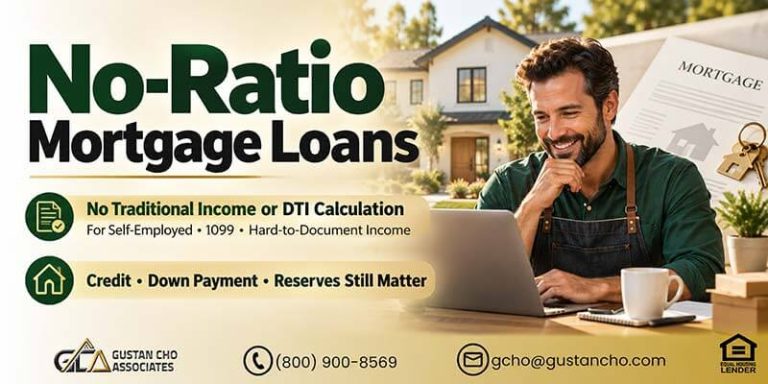
- If traditional loans are not suitable, alternatives include bank statement loans, 1099 programs, asset depletion, and profit-and-loss-only loans.
- For more information on Non-QM loans, refer to the comprehensive guide.
Do You Need 20% Down to Buy a Home?
- Low-Down-Payment Mortgage Programs
- Down Payment Assistance Programs
- Gift Funds From Family Members
- Seller-Paid Closing Costs and Lender Credits
- Clarify that contributions or assistance depend on the loan program, property type, transaction details, and the regulations for each scenario.
Review Your Finances and Set a Budget
- Get Preapproved for a Mortgage
- Choose a Knowledgeable Real Estate Agent
- Search for Homes Within Your Budget
- Submit an Offer With Appropriate Contingencies
- Complete the Inspection and Appraisal
- Respond to Mortgage Underwriting Conditions
First-Time Homebuyer? Turn the Dream Into a Real Approval Plan
We’ll help you understand your budget, down payment options, monthly payment, and loan programs before you start shopping for homes.Review the Closing Disclosure and Close
The CFPB advises comparing official loan offers and recommends reviewing the Loan Estimate and Closing Disclosure carefully before closing.
Can You Buy a Home With Bad Credit or a High DTI?
- Agency Guidelines Versus Mortgage Lender Overlays
- Automated Underwriting Versus Manual Underwriting
Steps to Strengthen a Mortgage Application
Demonstrate real expertise in this section. Present a realistic hypothetical borrower, including credit, income, DTI, reserves, and compensating factors. For many individuals, homeownership is an aspiration that requires years of preparation. This guide outlines common challenges encountered during the home-buying process and provides strategies to address them.
Limited Down Payments and Closing Funds
Purchasing a house requires a significant cash deposit, and sometimes full payment upfront. Saving for the down payment and closing costs can seem daunting, but a structured financial plan can help prepare for these expenses loans and student loans may represent sound investments, but substantial outstanding balances can hinder mortgage qualification.
Irregular Income
Self-employed individuals may face challenges verifying income, which can complicate the home-buying process. Minor credit issues or late payments, though seemingly minor to borrowers, are often seen by lenders as risk factors that may delay approval. Filing for bankruptcy signals financial difficulty and may temporarily prevent you from buying a home, but it does not make homeownership impossible in the future.
Hypothetical Example of First-Time Homebuyer Approval
Dream of Owning Your Own Home: Long-Term Investment of Homeownership
Present a Clear, Labeled Illustration of a Prospective Homebuyer with:
- A purchase price
- Gross monthly income
- Monthly debts
- A credit score range
- Down payment
- Estimated housing payment
- A loan program
- DTI
- Consolidating factors
- Potential concerns for underwriting
Renting Versus Buying
Renting is not inherently a poor financial decision. It may be appropriate for individuals requiring flexibility, those with frequently changing employment, or those seeking to avoid the additional costs and responsibilities associated with homeownership.
Consider Local Market Conditions, Monthly Payments, and Personal or Family Objectives Before Making a Decision:
- The flexibility
- The stability of the monthly payment
- The local rental costs and housing prices
- The goals of the individual and the family
Barriers Between You and Your Dream Home
- The Opening of a New Line of Credit
- The Purchase of a Vehicle Before Closing
- Moving Money Without Documentation
- Changing Employment Without Notice to the Lender
- The Use of All Available Liquid Assets by the Buyer at Closing
- The Purchase of a Home Before Establishing a Budget
First Time Homebuyer Loan Options
- FHA Loans
- VA Loans
- USDA Loans
- Conventional Loans
- Down Payment Assistance
How to Get Prequalified for a Mortgage
- Mortgage Basics: Understanding Your Credit Score
- High Debt-to-Income Ratio Mortgages
- Manual Underwriting Processes
- Lender Overlays
- Self-Employed Borrower Mortgages
- Mortgage Guidelines after Bankruptcy
- Cost of Closing
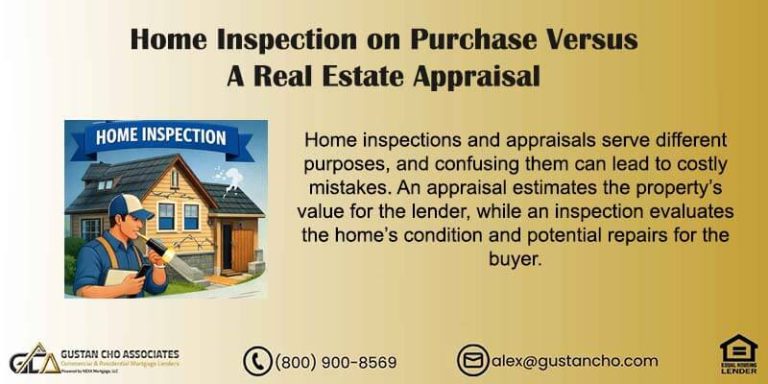
- How Home Inspections and Appraisals Fit Into the Mortgage Process
- The Mortgage Underwriting Process
- How to Apply for a Mortgage Online
The Dream of Owning Your Own Home and Qualifying for a Mortgage
- So, how would you read this?
- Do you want to be treated by the individual helping you realize the dream of owning your home?
- Or, on the other end of the spectrum, how would you treat your client if you’re helping them acquire their own home or realizing the dream of owning your own home?
What Makes Gustan Cho Associates Different from the Competition

- We have the states (licensed in 48 states)
- We have the products (we have a lending network of over 300 wholesale lenders and financial institutions)
- We have the rates (We have data showing Gustan Cho Associates has one of the most competitive rates than any other national lenders)..
The team at Gustan Cho Associates works one-on-one with each borrower. We work with all of our borrowers and help them boost their credit scores, rebuild their credit, and guide them so all borrowers will qualify and get approved for a mortgage. It is not if you qualify for a mortgage at Gustan Cho Associates but when you qualify. Not many homebuyers, sellers, loan officers, realtors, and other professionals realize that a company like Gustan Cho Associates exists.
About the Author of the Dream of Owning Your Own Home
Mortgage professionals can help evaluate credit, income, debts, and savings to identify suitable programs. Even if immediate approval is not possible, understanding the required steps can improve future eligibility. For many, owning a home is a place to raise a family and build community. It can provide a stable environment for children to grow up and establish roots in a neighborhood. Tanhia Romero, NMLS 489760 Is a senior loan officer and a contributing associate editor and writer for Gustan Cho Associates.
Frequently Asked Questions About Owning Your Own Home
What is the First Step Toward Owning a Home?
Start by reviewing your income and debts, then assess your credit reports, savings, and potential future housing expenses. Subsequently, you may want to meet with a licensed mortgage professional to discuss your options.
Do I Need a 20% Down Payment to Buy a House?
Not necessarily. Some conventional loans allow low down payments. FHA loans require a minimum down payment of 3.5% for qualifying borrowers, and some VA and USDA loans have no down payment for qualifying borrowers. Each program, property, lender, and borrower has different requirements.
Can I Buy a Home with a Low Credit Score?
Buying a home with a low credit score may be possible. Each loan program and lender has different credit score requirements. The lender will also assess your income and debt, as well as your payment history, reserves, and the amount of the down payment. A low credit score may result in limited options, higher rates, mortgage insurance, and a higher out-of-pocket expense.
How Much Money Should I Save Before Buying a Home?
You should save beyond your estimated down payment. You may want to consider the expenses of closing costs, prepaid property taxes and insurance, and an inspection, in addition to the costs of moving, repairs, furnishings, and an emergency reserve. The loan program and transaction will also determine the amount required.
Is There a Difference Between Mortgage Preapproval and Final Approval?
Yes. A preapproval is a preliminary step. It is a review based on the financial information available at a given time. Preapproval is the first step. The final approval process generally requires complete underwriting, a review of the financial documents, appraisal and title work, Insurance, and the fulfillment of all loan conditions.
Can I Get a Mortgage if I’m Self-Employed?
Yes, self-employed individuals can qualify for a mortgage based on a range of financial documents, including personal or business tax returns, business financial statements, bank statements, 1099 income, and other accepted documentation. The documentation and income used to qualify depend on the mortgage program.
Should I Pay Off Debts or Put My Money Toward a Down Payment?
It depends on the specific situation. When evaluating how each option will affect loan approval, consider the debt-to-income ratio and credit score. It may help qualify for the loan to pay off a specific debt, but if all of your savings are used to pay down debt, there may not be enough for closing costs or emergencies.
Can I Still Be a Homeowner if I Have a Bankruptcy or Foreclosure on My Record?
Yes, it is possible to still be a homeowner if you have filed for bankruptcy or had a foreclosure. Most government and conventional programs have a waiting period and a credit recovery process. Some Non-QM programs may be an option, but they generally require a higher down payment and additional costs.