Why Florida Homeowners Insurance Matters?
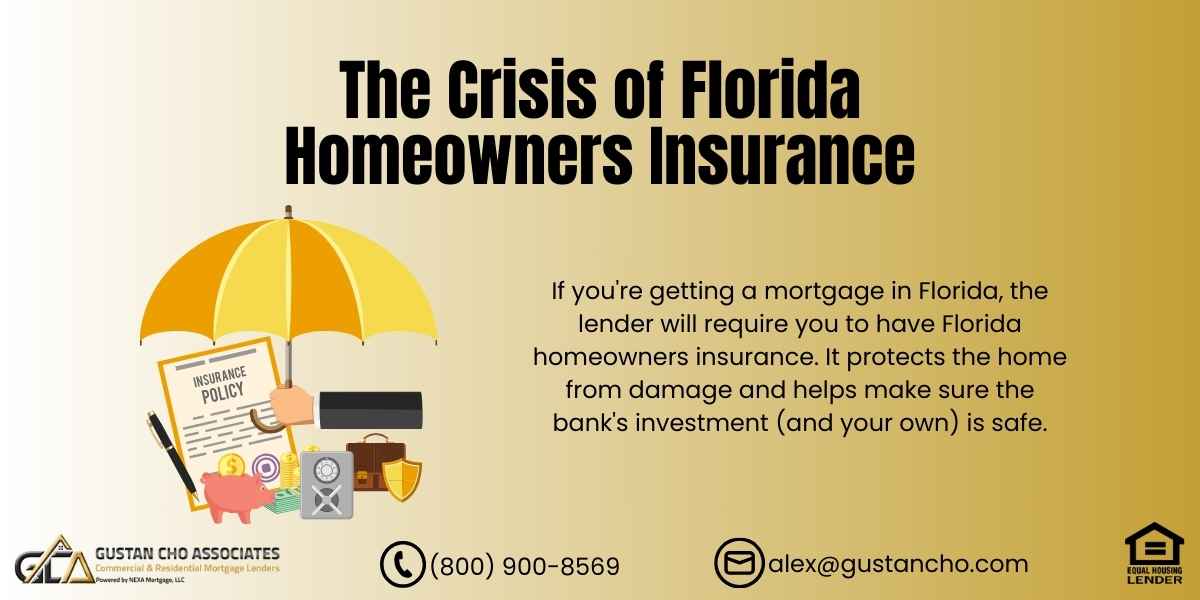
Having a home in Florida can be tricky in its own way. Sunshine and beaches attract millions, but hurricanes, sinkholes, and rising costs make homeowners insurance a major concern. The Florida homeowners insurance crisis isn’t just a headline—it’s something every buyer and homeowner feels in their wallet.
At Gustan Cho Associates, we work daily with families struggling with rising insurance premiums and lender requirements. If you don’t understand the insurance market, your mortgage approval could fall apart at the last minute. This guide explains the Florida homeowners insurance crisis, why costs keep rising, and how you can still protect your home and confidently close your loan.
Why Is Florida Homeowners Insurance So Expensive?
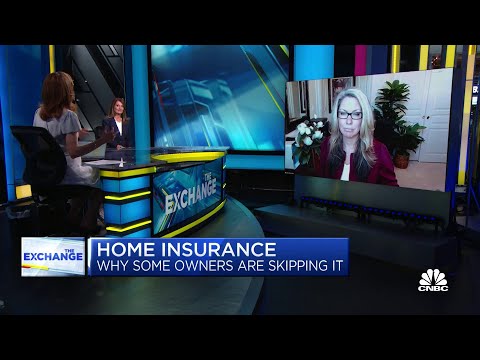
When borrowers ask, “Why is my insurance bill so high?” the answer comes down to risk. Florida is more exposed to hurricanes, storms, and flooding than any other state. Here’s why premiums have skyrocketed:
Hurricane Damage
Florida’s vulnerability to hurricanes means that each storm brings devastating damage, leading to billions of dollars in insurance claims. This overwhelming financial burden ultimately contributes to higher premiums for all policyholders, as insurers adjust their rates to cover potential losses from future storms.
Insurance Fraud
Insurance fraud is a serious problem in Florida. Some contractors and lawyers submit fake claims. This kind of dishonesty ends up costing insurers millions, which leads to higher premiums for honest folks.
Reinsurance Costs
Insurers must purchase reinsurance to protect themselves against significant claims, especially in high-risk areas like Florida. The soaring prices of reinsurance directly impact the overall cost of insurance policies, resulting in higher premiums for homeowners and businesses alike.
Inflation
When inflation goes up, construction materials and labor costs also rise, making it more expensive to fix damage from natural disasters. As settling these claims gets pricier, insurance companies must bump their premiums to stay financially stable.
Many families now pay more than $5,000 per year in premiums, with some coastal counties charging even higher rates. The Florida homeowners insurance crisis means even middle-class families are being priced out.
Florida Homeowners Facing Insurance Crisis? We Can Help
Get expert guidance on navigating rising premiums and finding affordable coverage.
Insurance Company Exits, Insolvencies, and Reduced Coverage Options in Florida
The Florida homeowners insurance crisis combines insurers leaving the state, bankruptcies, and double-digit rate increases. Here’s what’s happening: carrier insolvencies, policy non-renewals, and insurers reducing new business in higher-risk ZIP codes. Because company status can change (for example, stopping new policies vs. being placed into liquidation), any list of insurers should be treated as examples, not a complete or permanent roster.
What’s Actually Happening
Homeowners often hear “insurers are leaving Florida” or “Florida homeowners insurance crisis,” but that can mean different things:
- Receivership/liquidation: a court-ordered process typically tied to insolvency.
- Non-renewals: policies are not renewed at the end of the term.
- Underwriting pullbacks: an insurer may stay in Florida but stop writing in specific counties or risk categories.
To keep this information accurate and consumer-safe, the best place to verify the latest status is through Florida’s regulators:
- The Florida Office of Insurance Regulation’s Recent Company Actions page.
- Florida Department of Financial Services (DFS), Division of Rehabilitation & Liquidation resources (receivership information).
Examples of Court-Ordered Liquidations (official DFS receivership pages)
In recent years, some Florida property insurers were ordered into receivership for liquidation, including:
- Southern Fidelity Insurance Company — ordered into receivership for liquidation on June 15, 2022 (Leon County, FL).
- Weston Property & Casualty Insurance Company — ordered into receivership for liquidation on August 8, 2022 (Leon County, FL).
(These are examples; they don’t represent every carrier action, and the market changes frequently.)
Why This Matters for Homeowners and Mortgage Approvals
When fewer insurers are writing policies in a given ZIP code—or when underwriting tightens—homeowners may face:
- Fewer quote options (especially in coastal/high-wind zones)
- Higher premiums and deductibles
- Last-minute underwriting issues (roof age, wind mitigation, prior claims, replacement-cost requirements) that can delay or derail a closing
Practical takeaway: Start the insurance shopping process as soon as you’re under contract (or earlier if possible), and make sure every quote uses the same dwelling coverage and deductibles so you can compare accurately.
Last updated: February 6, 2026
Which Companies Still Offer Homeowners Insurance in Florida? (How to Check What’s Available in Your ZIP Code)
Homeowners often ask, “Who will insure me in Florida right now?” The safest answer is: it depends on your ZIP code and your home’s risk profile (roof age, wind mitigation credits, prior claims, distance to coast, and construction type). Insurers can change underwriting appetite quickly—sometimes county by county—so any “top carriers” list should be treated as examples, not guarantees.
Examples of Carriers That May Write Florida Homeowners Policies (availability varies)
Depending on location and eligibility, Florida homeowners may have options including large national carriers, Florida-domiciled carriers, and Citizens (the state’s insurer of last resort). For example, major providers in Florida have included Universal Property & Casualty, State Farm, Tower Hill, Slide, and Florida Peninsula, among others.
Important: Whether a carrier can quote you depends on the exact address, roof type/age, and underwriting rules at the time you apply—not just the company name.
Citizens is Different: “Insurer of Last Resort”
If you can’t find comparable coverage in the private market, Citizens Property Insurance Corporation may be an option. Citizens describes itself as Florida’s insurer of last resort.
The Most Reliable Way to Verify “Who’s Active” (and avoid outdated lists)
Instead of relying on a blog list that can go stale, point readers to official lookup tools:
- Florida Office of Insurance Regulation (OIR) – Active Company Search (confirm company status and licensing).
- If you’re working with a non-admitted/surplus lines option, use the Florida Surplus Lines Service Office (FSLSO) eligible insurer lists.
Practical Takeaway for Buyers (especially under contract)
If you’re buying a home, start insurance quotes as soon as your offer is accepted. In tougher ZIP codes, getting an approved policy can take longer than expected—and your lender will require proof of insurance before closing.
Citizens vs Private Insurers in Florida
Many borrowers wonder: “Should I get Citizens or go private?” Here’s a simple comparison:
| Feature | Private Insurers | Citizens Insurance |
| Availability | Limited in high-risk areas | Statewide (last resort) |
| Price | Lower in safe areas | Higher in risky areas |
| Coverage Flexibility | More options | Stricter guidelines |
| Mortgage Impact | Lenders care about coverage amount, deductible, AOP/wind/hurricane deductible, replacement cost, effective dates, paid receipt, agent binder, etc. | Sometimes questioned in high-risk areas |
At Gustan Cho Associates, we help borrowers weigh the pros and cons. In some cases, Citizens is the only choice to close your loan.
Hurricane Deductibles in Florida: What Buyers and Homeowners Need to Know
In Florida, many homeowners policies have more than one deductible—and the hurricane deductible often works differently than your “regular” deductible.
Two Deductibles You May See on the Same Policy
- All Other Perils (AOP) deductible: The deductible that usually applies to most non-hurricane claims (like theft, some water damage, fire, etc., depending on the policy).
- Hurricane deductible: A separate deductible that may apply specifically to hurricane losses—and it’s often listed as a percentage of your home’s insured value (Coverage A), not a flat dollar amount.
How the Hurricane Deductible is Typically Calculated
If your home is insured for $300,000 and your hurricane deductible is 2%, you could be responsible for $6,000 before hurricane-related coverage begins.
Important: the Hurricane Deductible That Applies Can Vary by Policy
Not every storm triggers the hurricane deductible. The exact trigger depends on the policy wording and may reference things like:
- A named storm (e.g., a storm given an official name)
- A storm was declared a hurricane (language varies)
- A specific time window tied to official declarations or warnings
- Calendar-based wording (some policies describe how it applies per event or within a specified period)
Because these triggers are policy-specific, don’t assume the hurricane deductible will apply (or won’t apply) without confirming your policy’s definition.
What to Ask Your Insurance Agent
To avoid surprises, ask your agent:
- “What are my AOP and hurricane deductibles, and are they flat or percentage-based?”
- “What exact event triggers the hurricane deductible on this policy?”
- “Is the hurricane deductible applied per storm event, per year, or within a specific time window?”
- “Can you show me where that trigger language appears in the policy or binder?”
Why This Matters for Mortgage Approvals
Lenders usually focus on whether the policy meets minimum coverage requirements, but your out-of-pocket risk matters too. A percentage-based hurricane deductible can be a major expense after a storm. So it’s smart to budget for it the same way you budget for closing costs and reserves.
Insurance Rates Skyrocketing in Florida? Find Solutions
We’ll help you understand your options and get the coverage you need for your home.
Ways to Cut Costs on Homeowners Insurance in Florida
Despite the crisis, there are still ways to bring down costs:
- Raise deductibles for lower monthly premiums
- Bundle home and auto insurance
- Install storm shutters and impact windows
- Add security systems
- Request a wind mitigation inspection
- Maintain good credit. Where permitted, insurers may consider credit-based insurance scores; rules vary.
These steps can help offset the rising cost of the Florida homeowners insurance crisis and show lenders you’re financially prepared.
Impact of Sinkholes on Insurance Rates
Florida’s unique geology means sinkholes are another major risk. Counties like Pasco and Hernando are hot spots for sinkhole claims. Frequent claims in your area can raise rates for everyone.
Ask your insurer if sinkhole coverage is included or excluded in your policy—it can make a big difference in your mortgage approval during the Florida homeowners insurance crisis.
Note: sinkhole coverage may be optional/limited; ask if it’s included, excluded, or capped.
Legislative Changes in Florida’s Property Insurance Market: What Changed and What It Means
Florida lawmakers have passed multiple insurance reform bills in recent years aimed at reducing litigation and stabilizing the homeowners insurance market. These reforms don’t guarantee lower premiums in the short term, but they are designed to address cost drivers like claim disputes, attorney-fee incentives, and certain claim practices.
Key Reforms
1) SB 76 (effective July 1, 2021)
This law included changes focused heavily on the claims process, including new pre-suit requirements and restrictions on roof-claim solicitation practices, as well as additional data/reporting provisions.
2) SB 2-D (Special Session, 2022)
This bill tightened several property-insurance rules, including changes to attorney-fee provisions and related litigation mechanics. Also, it addressed issues such as roof-related underwriting/nonrenewal standards.
3) SB 2-A (Special Session, December 2022; policies issued on/after January 1, 2023, for some provisions)
This special-session reform is widely cited for making major changes to property-insurance litigation incentives, including eliminating the traditional “one-way attorney fee” framework for many property cases and restricting Assignments of Benefits (AOB) for new policies.
4) HB 837 (signed March 2023)
This broader tort reform bill changed several rules governing civil litigation. It included provisions affecting attorney fees and bad-faith standards in certain insurance disputes (not limited only to property insurance).
What This Can Mean for Homeowners (practical, non-legal takeaways)
- Claims and lawsuits may work differently than they did a few years ago, especially around fee recovery and pre-suit steps. (If you have a claim dispute, ask your carrier/agent what process applies to your policy and loss date.)
- Underwriting may still be strict in many ZIP codes, even with reforms—especially for roofs, wind exposure, and prior claims.
- Premium relief can lag reforms. Reinsurance pricing, catastrophe risk, and rebuilding costs continue to influence rates, even as litigation reforms reduce some pressure over time.
Florida Homeowners Insurance and Mortgage Approval
Before you close on a loan, lenders need to see that you have homeowners insurance. If your insurance is canceled or too expensive, your mortgage may fall apart.
At Gustan Cho Associates, we help borrowers by:
- Connecting with insurers who cover your ZIP code
- Estimating escrow for taxes and insurance
- Meeting lender guidelines without delay
Even in the middle of the Florida homeowners insurance crisis, we get loans closed that others can’t.
First-Time Buyers: Don’t Get Caught Off Guard
If you’re a first-time homebuyer in Florida, start shopping for insurance when your offer is accepted. Don’t wait until closing week. Get multiple quotes, ask about flood insurance, and budget for your hurricane deductible.
The Florida homeowners insurance crisis is especially tough on first-time buyers, but preparation keeps your deal alive.
Average Cost of Florida Homeowners Insurance
Florida homeowners insurance pricing changes fast—and it can vary dramatically by ZIP code, distance to the coast, roof age, construction type, wind-mitigation credits, deductible choices, and prior claims. That’s why it’s better to think in ranges rather than one “average” number.
As of 2026, Bankrate’s analysis (using Quadrant data) estimates that Florida homeowners pay about $5,838 per year for a policy with $300,000 in dwelling coverage—making Florida one of the most expensive states for home insurance.
Even within Florida, it’s common to see higher premiums in coastal and high-wind zones. At the same time, inland areas may price lower depending on the home’s build and roof condition. (Two homeowners with the same home price can get significantly different quotes based purely on roof age and wind credits.)
Why Your Quote May be Higher than “State Averages”
Florida insurers price risk heavily around:
- Hurricane/wind exposure (county + distance to coast)
- Replacement cost (labor/material inflation and rebuilding demand)
- Reinsurance costs (what insurers pay to insure themselves)
- Deductibles (AOP vs hurricane deductibles can materially change premiums)
Quick Mortgage Note: Why This Matters for Approvals
For a mortgage, the “real number” isn’t the annual premium—it’s the monthly escrow impact. If your premium jumps by $2,000/year, that’s roughly $167/month added to your payment, which can affect DTI and approvals.
Tip for Readers
When you request quotes, ask every agent to quote the same coverage/deductibles, so you’re comparing apples-to-apples:
- Dwelling coverage: replacement cost basis
- Hurricane deductible (%): confirm exact % and how it’s applied
- Wind/hail exclusions: confirm any separate wind deductible
- Flood: separate policy if needed (not included in standard HO3)
Home insurance affordability has deteriorated nationally over time, with industry research using NAIC/BEA data and III projections showing rising insurance expenditures as a share of income in recent years.
Final Thoughts: Protecting Your Florida Dream
The Florida homeowners insurance crisis is real, but it doesn’t mean you must give up on homeownership. With the proper planning, insurer connections, and mortgage team, you can still protect your home and close on time.
At Gustan Cho Associates, we say yes when others say no. Call us at 800-900-8569, text us for a faster response, or email alex@gustancho.com to start your insurance and mortgage journey today. The team at Gustan Cho Associates is available 7 days a week, on evenings, weekends, and holidays.
Florida’s Insurance Crisis Doesn’t Have to Impact Your Home
Explore alternative solutions and better rates for your Florida home insurance.
Frequently Asked Questions About Florida Homeowners Insurance Crisis:
Why is Homeowners Insurance so Expensive in Florida?
Florida premiums are heavily influenced by hurricane/wind risk, reinsurance costs (insurance companies’ insurance), and years of high litigation/claim costs. Even slight differences in ZIP code, roof age, or wind-mitigation credits can swing your quote.
What is the Florida Homeowners Insurance Crisis?
The Florida homeowners insurance crisis refers to a market where many homeowners face rapid premium increases, reduced carrier availability, and stricter underwriting (especially on roofs and wind exposure). It’s also contributed to more homeowners going uninsured due to affordability.
Are Insurance Companies Leaving Florida?
Some carriers have been placed into receivership/liquidation. In contrast, others may reduce new policies, non-renewal, or tighten underwriting by county/ZIP. “Leaving” can mean different things—so it’s best to confirm carrier status through official Florida sources when needed.
Will Florida Homeowners Insurance Rates Go Down in 2026?
Rate relief can be uneven and slow because pricing still depends on reinsurance, storm losses, and rebuilding costs. Some areas may stabilize while others remain high, so homeowners should shop annually and ask agents to re-run credits (like wind mitigation) at renewal.
What is Citizens Insurance, and Who Qualifies?
Citizens is Florida’s state-backed insurer and is widely described as the insurer of last resort when homeowners can’t find comparable private-market coverage. Eligibility and rules can change, so confirm current requirements with Citizens/your agent.
Is Citizens Insurance More Expensive Than Private Insurance?
It depends. In some lower-risk areas, private insurers may be cheaper; in higher-risk areas, Citizens may be the only viable option. The key is comparing apples to apples between coverages and deductibles.
Do I Need Flood Insurance if I have Homeowners Insurance in Florida?
Usually, yes—standard homeowners insurance typically does not cover flood damage, so many Florida homeowners buy a separate flood policy, especially in flood-prone zones or when a lender requires it.
What is a Hurricane Deductible, and How Does it Work in Florida?
Many Florida policies have an AOP (All Other Perils) deductible and a separate hurricane deductible, often a percentage of Coverage A. The trigger for when the hurricane deductible applies (named storm vs hurricane declaration, time windows, etc.) can vary by policy—ask your agent to show you the exact trigger language.
How Much Does Roof Age Affect Homeowners Insurance in Florida?
A lot. Roof age/type can affect eligibility, premium, and whether a carrier will even quote. If you’re buying a home, confirm the roof details early and ask what documentation the insurer needs (permit, roof invoice, inspection).
How Does the Florida Homeowners Insurance Crisis Affect Mortgage Approval?
Lenders require proof of an acceptable homeowners policy before closing. If premiums spike, your monthly escrow payment increases, which can affect DTI and affordability. To avoid delays, start insurance quotes as soon as you’re under contract—especially in higher-risk ZIP codes.
This article about was updated on February 5th, 2026.
The Florida Homeowners Insurance Crisis Is Real—Find a Way Forward
We’ll help you secure the right coverage in today’s challenging market.