

When considering newer homes versus older homes, look beyond just the purchase price. Newer homes typically require less maintenance, offer modern floor plans, feature updated systems, and offer improved energy efficiency. In contrast, older homes may feature larger lots, established neighborhoods, greater privacy, and distinctive character.
First-time homebuyers should check the overall cost of ownership before determining which type of home is the better fit. This covers the mortgage payment, property taxes, homeowners’ insurance, HOA fees, utilities, repairs, and anticipated future maintenance.
While newer homes might have lower maintenance costs in the early years, older homes could offer more space or a more desirable location. Ultimately, the choice between newer homes versus older homes hinges on your budget, lifestyle, financing options, and your willingness to manage maintenance.
Newer Homes Often Have Smaller Lot Sizes
Today’s residential developments are often situated in planned neighborhoods where land prices are higher. To keep costs manageable while maximizing limited space, developers tend to build more houses per project. This trend results in smaller lawns, thinner walls separating properties, shorter driveways, and houses that are closely packed together. In contrast, older homes often occupy larger lots, are surrounded by mature trees, and are spaced far enough apart to allow for optional neighborly interactions. The benefits of expansive exteriors, ample backyard space, and room for future alterations are important considerations for those weighing newer homes versus older homes, especially if privacy or the possibility of expansion is a priority. The lot size can be a significant factor in this comparison.
Older Homes Come With Character And Established Neighborhoods
A house may be old, but its age alone doesn’t reveal much about its construction or maintenance over time. When comparing newer homes versus older homes, it’s important to note that older properties can feature characteristics that newer developments often lack. However, these features are not always guaranteed. A thorough inspection of the structure is far more critical than mere charm or history, as hidden issues may lurk out of sight—inside the walls or beneath the floorboards. Taking the time to conduct a proper assessment provides a clearer understanding before proceeding further.
Older Homes Often Have Bigger Yards and Greater Seclusion
Back then, plots didn’t cost so much – houses sat farther apart. Yards stretched wider because room wasn’t a problem. Driveways ran longer since distance meant little. Neighbors stayed out of sight more easily, tucked behind greenery or curves. Privacy came naturally when space grew cheap.
Mature neighborhoods offer distinct benefits
Walk down these streets, older houses sit where trees have grown tall over decades. Schools show up within walking distance, parks appear just a few blocks away. Sidewalks run alongside most paths, connecting spots people need to reach. Shops stand close by, daily needs met without long trips. Public services exist nearby, built into the fabric of the area years ago. Life moves easily here, shaped around what is already there.
Older homes may have character and craftsmanship
Older houses sometimes surprise you with thick wooden floors, built-in details, or walls made of real brick. You might find hand-cut molding, odd room shapes, or stonework done by someone who took their time. These touches often come from a time when things were built to last, shaped slowly, not rushed. A staircase could curve just right, windows fit snug, doors close heavy. Materials feel different – solid, quiet underfoot. Not every modern build bothers with that kind of care. Room after room holds little marks of effort, like corners perfectly lined, joints tight without gaps.
Location Can Be Better With Older Homes
Older homes may be closer to downtown areas, public transportation, jobs, and established community amenities. For some buyers, location is more important than a brand-new home.
Common Problems With Older Homes First-Time Buyers Should Watch For
When considering newer homes versus older homes, it’s important to weigh their unique benefits. Older homes can provide excellent value, larger lots, established neighborhoods, and distinctive character. However, they may also come with unexpected repair costs that first-time homebuyers might not anticipate. A house that appears appealing from the outside could still harbor hidden issues behind the walls, beneath the floors, in the attic, or around the foundation. Before purchasing an older home, it’s wise to inspect the roof, HVAC system, plumbing, electrical panel, windows, insulation, foundation, basement, sewer line, and drainage. Common concerns might include outdated wiring, aging pipes, roof leaks, water stains, inadequate insulation, foundation cracks, sewer line issues, termite damage, or pest infestations. Not every older home presents major problems; many have been well-maintained and updated over the years. The key is to get a thorough home inspection to fully understand the property’s condition before finalizing the purchase. First-time homebuyers should also allocate a budget for potential repairs, future maintenance, and upgrades once they move in.
How Home Condition Can Affect Mortgage Approval
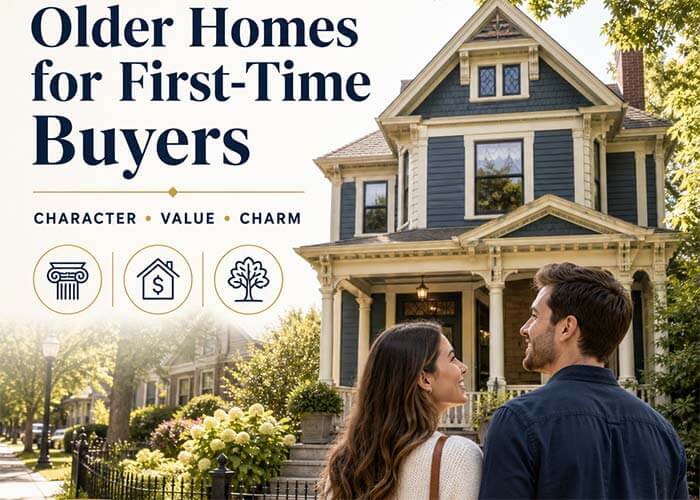 The condition of a home plays a crucial role in the mortgage process. Lenders often mandate repairs if the property presents safety hazards, structural issues, roof damage, electrical faults, plumbing concerns, water damage, or pest infestations. Different types of loans—such as FHA, VA, USDA, and conventional—each have their own standards regarding property condition.
When comparing newer homes versus older homes, it’s generally the case that newer homes have fewer repair issues. This is because their roofs, HVAC systems, plumbing, electrical systems, windows, and appliances are typically more recent.
On the other hand, older homes can still be eligible for financing; however, buyers should be diligent in reviewing the inspection, appraisal, and repair stipulations. If you’re a first-time homebuyer, it’s a good idea to chat with your lender before making an offer on a place that needs some work. Factors such as the home’s condition, property taxes, homeowners’ insurance, HOA fees, and repair costs can significantly influence the purchaser’s monthly payments and loan eligibility.
Living in a Newer Home Means Fewer Repairs and Updated Systems
Some newer houses catch the eye of people buying their first place – less fixing needed at the start. Modern touches show up in the design, making life feel a bit smoother. Maintenance tends to slip by without hassle early on. Owning one feels simpler when everything works right out of the gate.
Lower maintenance costs early on
A fresh build often comes with updated essentials like roofing, climate control, water lines, wiring, kitchen tools, glass panels, plus floor coverings. Fewer surprises show up on the bill right after you move in.
Newer Homes Use Less Energy
Some newer houses come packed with tighter seals around doors and windows, which keeps temperature inside more stable. Because of this, less power gets wasted on warming or chilling empty space. Updated gadgets like fridges or washers tend to sip electricity instead of gulp it. Systems that handle hot air or cold now adjust smarter throughout seasons. All these bits add up to smaller bills when the meter reader shows up each month.
Open layouts suit how people live now
Open layouts pop up a lot these days, along with bigger kitchens you can actually move around in. Closets that let you walk inside are common now, giving room for everything needing a spot. Space meant for working from home shows up even in smaller builds. Extra storage fits neatly into walls or under stairs. All of it adds up to living without constant clutter. Comfort gets easier when things have their place.
Newer Electrical, Plumbing, Roofing, and HVAC Systems
Updated major systems can give buyers more peace of mind. First-time homebuyers may not have to worry about replacing expensive items right away.
Builder Warranties May Protect Buyers
Some new construction homes come with builder warranties that may cover certain repairs after closing. Buyers should review the warranty terms carefully to understand what is covered and for how long.
Estimate the True Monthly Cost of Ownership
Taxes, insurance, HOA, utilities, and maintenance can change affordability. Get a realistic payment estimate so you can compare a newer home vs an older home correctly.
New Construction Homes May Have Higher Property Taxes
When considering newer homes versus older homes, it’s important to be aware of potential property tax surprises. For newly constructed homes, property taxes may not reflect the home’s final value immediately. Buyers often qualify for a mortgage using an estimated tax figure, which may differ from what the county assesses once the home is completed. After construction is complete, the county may reassess the property based on both the land and the final home value, which could lead to a higher annual tax bill and, consequently, a larger monthly escrow payment. These higher property taxes can significantly affect affordability by adding to overall monthly housing costs. Therefore, first-time homebuyers should inquire with the builder, lender, and local tax office about anticipated future taxes before committing to a newer construction home.
Final Thoughts on Buying Newer Homes Versus Older Homes
Buying a newer home or an older home makes sense depending on your budget, lifestyle, and long-term plans. Newer homes may offer lower maintenance, modern features, better energy efficiency, and updated systems. Older homes may offer larger yards, established neighborhoods, mature trees, more privacy, and unique character. Before choosing a home, compare the full monthly cost. Look at the mortgage payment, property taxes, homeowners’ insurance, HOA dues, utilities, repairs, and future maintenance. A lower purchase price does not always mean a lower long-term cost. The best first step is to get pre-approved before shopping. Gustan Cho Associates can help homebuyers compare FHA, VA, USDA, conventional, and non-QM mortgage options based on credit, income, debt-to-income ratio, down payment, and property type.
FAQs About Buying Newer Homes Versus Older Homes
Is It Better To Buy A Newer Home Or An Older Home?
It depends on your budget, lifestyle, location, and how much maintenance you are comfortable handling. Newer homes may have updated systems, modern layouts, and lower repair costs early on. Older homes may offer larger lots, mature neighborhoods, better locations, and more character. Buyers should compare the full cost of ownership before deciding.
Are Older Homes Harder To Finance?
Older homes are not automatically harder to finance. The main issue is the property condition. If the home has safety issues, structural problems, roof damage, electrical defects, plumbing issues, or water damage, the lender may require repairs before closing. A well-maintained older home can still qualify for FHA, VA, USDA, or conventional financing.
Do Newer Homes Have Higher Property Taxes?
Newer homes can have higher property taxes, especially after they are fully assessed by the county. Some buyers qualify using estimated taxes during construction, but the tax bill may increase after completion. This can raise the monthly escrow payment and affect affordability.
Are Newer Homes Cheaper To Maintain?
Newer homes are often cheaper to maintain during the first few years because their roofs, HVAC systems, plumbing, electrical systems, windows, appliances, and fixtures are newer. However, buyers should still budget for maintenance, HOA dues, landscaping, repairs, and future replacement costs.
Why Do Older Homes Often Have Bigger Yards?
Many older homes were built when land was less expensive, and builders had more room to work with. Newer homes are often built in planned developments where land costs are higher, so builders may use smaller lot sizes to keep homes more affordable.
Should First-Time Homebuyers Avoid Older Homes?
First-time homebuyers do not need to avoid older homes, but they should be careful. A home inspection is very important. Buyers should review the roof, HVAC, plumbing, electrical system, foundation, basement, windows, insulation, sewer line, and pest history before moving forward.
This article about “Benefits Of Buying Newer Homes Versus Older Homes” was updated on June 2nd, 2026.
Ready to Buy? Get Pre-Approved and Shop Smarter
Share your price range, down payment, and timeline. We’ll confirm your best loan program and help you choose the right home with confidence.