

A contingent sales agreement in real estate is a contract that includes one or more contingencies. Contingencies are conditions that must be fulfilled before the sale can be finalized. Common contingencies involve inspection, appraisal, financing, and selling an existing home. Each contingent sales agreement in real estate has a specified timeframe for the buyer to remove it.
Failure to remove a contingency within the given timeframe allows the seller to cancel the contract. The home appraisal contingency involves the appraisal of the property to determine its market value
. If the appraised value is lower than the agreed-upon price, the buyer may have the opportunity to renegotiate or withdraw from the contract. Contingent sales agreement in real estate protect buyers but can also introduce complications and delays in the home-selling process. In my experiences as a Realtor for the past three decades, many clients have asked me what contingent means. We will explore the concept of contingent sales agreement in real estate and their significance. In the following paragraphs, we will cover contingent sales agreement in real estate transactions.
Understanding Contingent Sales Agreement in Real Estate
In real estate, contingent sales agreement ensure a transaction proceeds smoothly. These agreements involve certain conditions or contingencies that must be met before the sale can be finalized. Understanding the ins and outs of contingent sales agreement can help buyers and sellers navigate the complexities of the real estate market.
Buying and selling a home often involves complex legal terminology, and a “contingent sales agreement” is among the most misunderstood. In real estate, a contingent sales agreement is a legally binding purchase contract where closing depends on specific conditions, called contingencies, being satisfied before the transaction can proceed.
What Does a Contingent Sales Agreement in Real Estate Mean?
Before diving into the specifics of contingent sales agreement, it’s crucial to grasp the concept of what ‘contingent’ means in the context of real estate. A contingency refers to a condition that must be satisfied for the contract to proceed. It acts as a safeguard for both the buyer and seller, ensuring that specific requirements are met before the sale can be completed.
It is essential to note that there is a difference between contingent and pending. Typically, real estate agents do not change the listing status to pending until all contingencies are satisfied.
In real estate, “contingent” means the transaction depends on specific conditions being fulfilled. When a property is listed as contingent, the seller has accepted an offer, but the transaction will not close until all agreed-upon contingencies are satisfied within the contract timeline. If these conditions are not met, the buyer or, in some cases, the seller may cancel the contract, and the property may return to the market or go to a backup offer.
Exploring Common Contingent Agreement in Real Estate Contracts
Several common contingencies frequently appear in real estate contracts. These contingencies cover various aspects of the home-buying process and protect both parties involved. Some of the most prevalent contingencies include the inspection contingency, which allows the buyer to thoroughly inspect the property, looking for potential issues or defects.
The Importance of Contingent Sales Agreement in Real Estate
Contingency periods are crucial in a sales agreement, as they specify the buyer’s timeframe to address and remove the contingencies. These periods allow the buyer to thoroughly evaluate the property, secure financing, and address any issues that may arise. Both buyers and sellers must pay close attention to these timeframes and ensure that contingencies are handled promptly for a successful transaction.
Definition of Contingent Status in Real Estate
A contingent status differs from an active listing because the seller has already accepted a contract, but the sale still depends on events like the buyer obtaining financing, completing inspections, or selling another property. During this period, both parties must fulfill their contractual obligations, and the buyer’s earnest money deposit is generally protected if the transaction fails due to a contingency.
What Is a Contingent Sales Agreement?
A contingent sales agreement is a standard purchase-and-sale contract that includes one or more contingency clauses that must be satisfied for the transaction to close. This binding agreement specifies the purchase price, earnest money, deadlines, contingencies, and remedies if any contingencies are not met.
These provisions safeguard both buyers and sellers, allowing either party to renegotiate or terminate the contract without penalty if certain conditions are unmet.
In real estate transactions, critical contingencies are crucial in ensuring a smooth and secure process for buyers and sellers. These contingencies provide safeguards and specific conditions to meet within designated timeframes. Let’s explore the contingencies typically included in real estate sales agreements. The inspection contingency allows the buyer to hire a professional inspector to evaluate the property thoroughly.
Key Elements of a Contingent Sale Agreement
Although forms differ by state, most contingent sales agreements include several essential elements that buyers and sellers should understand. The contract identifies the parties, describes the property, specifies the purchase price and earnest money, and lists all contingencies related to financing, appraisal, inspection, title, and sometimes the sale of the buyer’s current home. It also sets firm dates for contingency deadlines and closing, and outlines procedures for extensions, repairs, credits, or cancellation if issues arise.
How Contingent Home Sale Clauses Work for Buyers and Sellers
A home-sale contingency clause makes the purchase of a new property dependent on the buyer selling and closing on their existing home. If the buyer’s current home does not sell by the specified date, the buyer can usually terminate the contract without forfeiting earnest money, and the seller may proceed with another buyer. This provision benefits buyers who need the equity and proceeds from their current home to qualify for or close on a new mortgage.
Home Sale Contingency Clause Explained
Most real estate purchase agreements include several standard contingencies to protect all parties and ensure the property and financing meet expectations. Knowing these common contingencies helps buyers and sellers anticipate potential obstacles even after the contract is signed.
Financing and Mortgage Contingencies
The buyer’s obligation to close is contingent on obtaining mortgage approval under agreed-upon terms, including the loan amount, interest rate, and timeline. If the buyer applies in good faith but cannot secure financing by the contingency deadline, this clause permits withdrawal from the transaction without defaulting under the contract. This contingency is essential, as it protects buyers from being forced to purchase a property with cash or on unfavorable loan terms if their original financing falls through.
What Is an Inspection Contingency
An inspection contingency allows the buyer to perform a professional inspection. If the inspection reveals significant issues or defects the buyer is unwilling to accept, they can usually back out of the deal without penalty or negotiate repairs with the seller. This contingency allows the buyer to uncover any potential issues or defects that may not have been apparent during their initial assessment. If the inspection reveals significant problems, the buyer may negotiate repairs, request a price reduction, or withdraw from the contract.
The Mortgage Contingency: Securing Financing for the Purchase
Mortgage contingency ensures that the buyer secures financing for the purchase. If financing cannot be obtained within the designated timeframe, the buyer may have the option to terminate the contract. The mortgage contingency is vital for buyers who need financing to purchase the property. It sets a specified timeframe for the buyer to secure a mortgage loan. If the buyer cannot obtain financing within the agreed-upon timeframe, they can terminate the contract without penalty. This contingency protects buyers from being bound to a purchase they cannot afford.
Appraisal and Home Inspection Contingencies: Determining Property Value and Condition
Appraisal contingency states that the sale depends on the property’s appraisal value meeting or exceeding the purchase price. If the property appraises for less than the agreed-upon price, the buyer might have the option to renegotiate the price, ask the seller to lower the price, or terminate the contract.
The appraisal contingency ensures the property’s value aligns with the agreed-upon purchase price. A professional appraiser assesses the property to determine its market value.
If the appraised value exceeds the agreed price, the buyer can renegotiate the terms, bring additional funds to cover the difference or terminate the contract. This contingency protects buyers from overpaying for a property.
Exploring Additional Contingencies in Sales Agreements
Besides the inspection, mortgage, and appraisal contingencies, other contingencies may be specific to each real estate sales agreement. These additional contingencies could include selling the buyer’s current home, verifying a clear title, or any legal or zoning requirements. These contingencies address unique situations and provide further protection and clarity for both parties.
Managing Contingencies in Real Estate Transactions
Regarding real estate transactions, managing contingencies is a crucial aspect that buyers and sellers must understand and navigate. This section will delve into the role of the buyer and seller in contingency removal, potential challenges and delays that may arise in a contingent sale, and negotiating contingencies with options for renegotiation and termination.
What Is a Contingent Sales Agreement in Real Estate
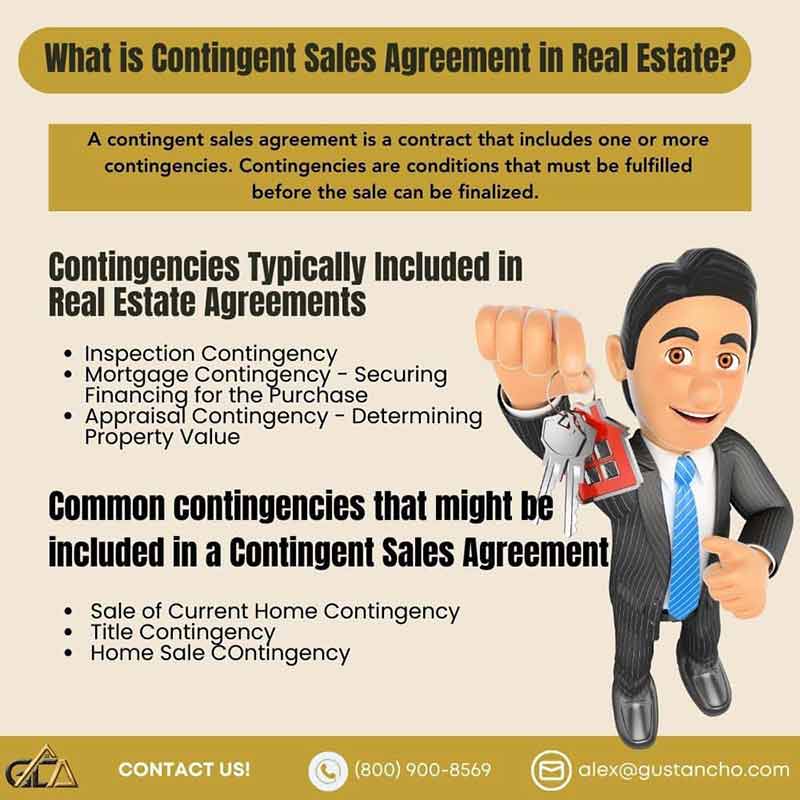
A Contingent Sales Agreement, often referred to as a Contingent Agreement or simply a Contingency Agreement, is a contract used in real estate transactions that outlines certain conditions that must be met for the sale of a property to be completed.
These conditions are typically designed to protect one or both parties involved in the transaction by allowing the sale to be contingent on the successful completion of specific tasks or events.
Common contingencies that might be included in a Contingent Sales Agreement include Financing Contingency, One of the most common contingencies. It allows the buyer to back out of the deal if they cannot secure a mortgage or financing for the property. The contract becomes void if the buyer cannot secure the necessary funds within a specified timeframe.
Sale of Current Home Contingency
Sometimes, a buyer must sell their home to purchase a new one. This contingency allows the buyer to proceed with the purchase if they successfully sell their current home within a specified timeframe.
Title Contingency
The title contingency ensures that the property’s title is clear of any liens, encumbrances, or legal issues. If any title issues arise, the buyer typically has the right to cancel the contract.
Home Sale Contingency
Like the sale of current home contingency, this contingency is used when the seller needs to sell their property before purchasing another one. The sale of their property is a condition for purchasing a new one.
The home sale contingencies protect both the buyer and the seller by allowing them to address specific concerns and ensure the transaction proceeds smoothly.
Suppose any specified conditions are not met within the agreed-upon timeframe. In that case, the party that benefits from the contingency may have the right to withdraw from the deal without facing legal repercussions. It’s important for both buyers and sellers to carefully review and understand the terms of any contingencies included in a real estate contract before signing.
Understanding the Role of the Buyer and Seller in Contingency Removal
During the contingency period, the buyer and seller play essential roles in successfully removing contingencies. The buyer is responsible for fulfilling any obligations in the sales agreement, while the seller must cooperate and provide necessary documentation and access to the property for inspections and appraisals.
Buyers should communicate with their real estate agents and promptly complete required tasks within specified timelines, such as home inspections or securing financing.
On the other hand, sellers should diligently respond to buyer requests and provide any requested information or documents. If the renegotiation process does not yield a satisfactory resolution, termination of the contract may be the next step. Both parties should carefully review the terms of the agreement, including any penalties or provisions for termination without repercussions.
Tips for Buyers Using a Home Sale Contingency
Buyers who need to rely on a home sale contingency can take several steps to make sure they still compete effectively and protect their interests. First, they should list their existing home early, price it realistically, and respond quickly to offers so they can show sellers tangible progress on that sale. Second, working with an experienced lender and real estate agent can help align the timelines, coordinate inspections and appraisals, and avoid last‑minute surprises that could derail one transaction and affect the other. Buyers should also be honest about their risk tolerance, deciding in advance whether they can or will carry both homes temporarily if necessary to get their dream property.
Tips for Sellers Considering a Contingent Offer
When sellers receive an offer with contingencies—especially a home sale contingency—they must balance price, terms, and risk. Sellers should look at how far along the buyer is in selling their existing home, whether that home is under contract, and whether that contract still has unfulfilled contingencies. They can negotiate stronger terms like higher earnest money, shorter contingency windows, or the ability to keep marketing the property and accept backup offers while the contingent buyer works through their conditions. Many sellers also compare contingent offers to non‑contingent offers and may accept a slightly lower price from a buyer with fewer contingencies if it significantly increases the likelihood of a smooth, on‑time closing.
Contingent vs. Pending vs. Active: What’s the Difference?
The terms contingent, pending, and active refer to different stages of a real estate listing on the multiple listing service and consumer websites. A contingent listing typically means the seller has accepted an offer but at least one major contingency remains outstanding, while a pending status suggests that most contingencies have been satisfied and the file is simply working toward closing. An active listing means there is no accepted offer yet, so new buyers can still freely submit offers, whereas a contingent or pending listing may only accept backup offers or showings subject to the existing contract. Understanding these status labels helps buyers know which homes are realistically still in play and which ones are essentially off the market.
When a Contingent Sales Agreement Falls Through
Even with careful planning, some contingent sales agreements do not make it to the closing table. The most common reasons include buyers being denied financing, unacceptable inspection results, low appraisals, or the failure of the buyer’s current home to sell by the contingency deadline.
When that happens and the contract specifically allows termination based on the failed contingency, buyers often receive their earnest money back and sellers can relist the home or move on to a backup buyer.
While disappointing, a failed contingent deal also gives both parties new information—about the property, the market, or the buyer’s financial picture—that they can use when negotiating future contracts.
Potential Challenges and Delays in a Contingent Sale
Contingent sales agreement can encounter challenges and delays that buyers and sellers should know. These challenges may include difficulties securing financing, issues discovered during inspections, or low appraised property values.
If the buyer faces challenges in obtaining financing within the contingency period, it could potentially lead to the termination of the contract.
Similarly, if inspections uncover significant issues or the property appraisal comes in lower than the agreed price, renegotiation or termination of the agreement could be necessary. Even pending sales fall through. Nothing is set in stone until the fat lady sings at closing.
Negotiating Contingent Sales Agreement in Real Estate: Renegotiation and Termination Options
In some cases, buyers or sellers may need to negotiate contingencies to address specific concerns during the transaction process. Renegotiation could involve modifying the terms of the agreement, such as adjusting the purchase price or extending the contingency period.
Effective communication between buyers, sellers, and their respective real estate agents can facilitate smooth negotiations and help resolve any disputes or challenges that may arise.
Remaining responsive and proactive throughout the contingency period can help prevent unnecessary delays and potential deal breakers. Working with experienced professionals, such as real estate attorneys or mortgage brokers, can provide valuable guidance and support during negotiation.
Benefits and Considerations of Contingent Sales Agreement in Real Estate
Advantages for Buyers: Protection and Flexibility. Regarding contingent sales agreement in real estate, buyers can enjoy several advantages that provide protection and flexibility. Successfully managing contingencies in real estate transactions requires proactive involvement from buyers and sellers, clear communication, and a thorough understanding of the terms and conditions outlined in the sales agreement. Protection against paying too much:
Contingencies allow buyers to evaluate the property and assess its value thoroughly. This ensures that they do not overpay for the home. Flexible exit options.
If a buyer encounters issues with financing, appraisal, or other contingencies, they can cancel the contract without penalties. Time to sell existing property: In a contingent sale, buyers can ensure they have enough time to sell their current home before closing on the new one, avoiding the potential financial burdens of owning two homes simultaneously. Buyers and sellers can move toward a successful closing by efficiently addressing contingencies and resolving emerging challenges.
Advantages for Sellers: Assessing Buyer Commitment and Flexibility
Sellers also benefit from contingent sales agreement as they can assess buyer commitment and gain flexibility in the transaction process. Evaluation of buyer commitment: With a contingent sale, sellers can gauge the seriousness of the buyer’s offer by considering the contingencies they set forth.
Flexibility in exploring other offers: Contingencies allow sellers to consider backup offers while waiting for the buyer to fulfill the agreed-upon contingencies.
Opportunity for a backup plan: If the buyer fails to fulfill the contingencies within the specified timeframe, the seller can have a backup plan by accepting other offers, ensuring minimal delay. Coordinate with the home inspector to schedule a thorough evaluation within the contingency period. Work closely with the lender to complete all necessary paperwork and meet financing requirements.
Weighing the Risks and Rewards of a Contingent Sales Agreement in Real Estate
While contingent sales agreement offer benefits, there are also risks and considerations that both buyers and sellers should carefully weigh. Contingencies can introduce uncertainties and delays in the transaction process, which may impact both parties’ timelines. Buyers and sellers may need to negotiate terms and conditions related to contingencies, which can sometimes lead to disagreements or slower sales progress.
Financial Implications on Contingent Sales Agreement in Real Estate
In a contingent sale, sellers may need to balance their financial commitments and obligations, including potential bridging finance costs, if they have already purchased a new property. Considering the advantages and factors involved in contingent sales agreement in real estate, buyers and sellers must make informed decisions and navigate the real estate transaction effectively. When navigating a contingent sales agreement in real estate, following specific tips is essential to ensure a smooth transaction. Here are some valuable pointers to keep in mind:
Open Communication and Clear Expectations
Effective communication between buyers, sellers, and real estate agents is crucial during a contingent sales agreement. All parties involved must clearly express their expectations and concerns regarding the contingencies. Regular updates and transparent discussions can help avoid misunderstandings and promote a harmonious process.
Timely Completion of Contingencies and Documentation
Timeliness is critical when it comes to fulfilling contingencies and providing necessary documentation. Buyers should promptly address required actions, such as scheduling inspections or securing financing.
Sellers should cooperate by providing access to the property and swiftly responding to buyer requests. Adhering to specified timelines helps maintain the sale’s momentum and minimizes delays.
Ensure the property is accessible for inspections and appraisals within a reasonable timeframe. Be prepared to promptly provide the necessary documentation, such as property information and disclosures.
Working with Professionals During a Contingent Sale
Collaborating with professionals specializing in real estate transactions is crucial in a contingent sales agreement. Seek support from experienced real estate agents, attorneys, and lenders who understand the nuances of contingent sales. Their expertise can help navigate potential challenges and ensure a smoother process from start to finish. By following these tips, buyers and sellers can enhance their experience during a contingent sales agreement, mitigating potential complications and facilitating a successful transaction.
Contingent Sales Agreement In Real Estate In Frequently Asked Questions
What Is A Contingent Sales Agreement In Real Estate?
- A contingent sales agreement is a purchase contract in which the closing depends on specific conditions—such as financing, appraisal, inspection, or the sale of the buyer’s current home—being satisfied before the transaction can proceed.
How Does A Home Sale Contingency Work For Buyers?
- A home sale contingency allows buyers to make the purchase of a new property conditional on selling and closing on their existing home by a certain date.
- If they cannot sell in time, they can usually cancel the contract without losing their earnest money.
Is A Contingent Offer Bad For Sellers?
- A contingent offer is not automatically bad for sellers.
- It does add risk because the deal can fall through if the buyer’s conditions are not met, which is why many sellers weigh contingencies against price and may prefer offers with fewer conditions in a strong market.
Can You Still Make An Offer On A House That Is Contingent?
- In many markets, buyers can still submit backup offers on a house in contingent status.
- If the first buyer’s contingencies are not satisfied and their contract terminates, the seller may move directly to a backup offer instead of putting the home back on the market.
What Happens If A Contingency Is Not Met In A Real Estate Contract?
- If a contingency is not met and the contract gives the affected party the right to cancel, the buyer or seller can typically terminate the agreement within the contingency period.
- In most cases, the buyer’s earnest money deposit will be refunded, subject to the precise language in the contract.
How Can I Make Contingent Offer More Competitive?
- You can make a contingent offer more competitive by getting a strong pre‑approval, limiting contingencies to essential protections, tightening deadlines, increasing your earnest money deposit, and showing that your current home is already listed, under contract, or close to closing.